

If you see a crack in your foundation, it can be worrying. However, this is more common than many homeowners know and doesn’t imply you can’t sell your home. In North Carolina, where the median home price is about $381,700 and the average days on market is roughly 77, foundation issues may delay closings and dampen buyer interest, but there are still clear paths forward. If you go about it the proper way, you can work your way through the sale, understand your options and still get a fair price without the delays or stress.
Understanding Foundation Problems That Affect Home Sales in North Carolina
Foundation problems are not merely bad luck. In North Carolina, they are pretty much inevitable. Clay, sand and loam are the three main soil types, and they all provide their own distinct issues that could affect your home’s structure. Soil problems: From decreasing clay soil to shifting sandy soil, here’s what to know.
The Charlotte metro is atop Piedmont clay that expands when wet and contracts when dry. This isn’t just a Charlotte problem. Cecil soil, the most common soil, covers 1.6 million acres, largely in the Piedmont, including Raleigh, Durham and Winston-Salem. Cecil soil contains a massive amount of red clay.
What does this mean for your foundation? Basic physics. Clay soil types swell when wet and shrink when dry. With frequent movement, foundations can experience significant stress, leading to cracks and instability. Your foundation walls are under stress with every wet season and every dry cycle.
The signs are everywhere. Cracks in the basement walls. Doors that stick in the humid months and swing free in winter. Lopsided floors that make your furniture sway. The first indication is generally doors and windows that stick, jam or do not latch properly when their frames are twisted by the shifting framework. Check drywall for diagonal cracks, particularly those that radiate outward from the corners of door and window frames.
I’ve seen foundation issues in $150,000 ranch homes in Greensboro and $800,000 colonials in Myers Park. The soil doesn’t care how much your house costs.
Pre-sale Foundation Inspection and Documentation Strategies
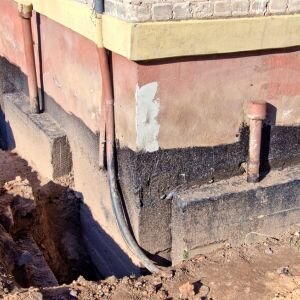
You want to know whether you have any foundation difficulties before you offer your house, so that the buyer’s inspection doesn’t surprise you. Have a professional structural engineer inspection, not a general house inspector. Structural engineers can properly evaluate foundation problems and provide a comprehensive report. Usually runs $500 to $800, but you get a good factual baseline of what is really wrong.
Keep a chronology of when problems started. Document problems with images, measurements of cracks, and notes of symptoms such as sticky doors. This is good for transparency and protects you under disclosure rules. Then request three or more repair estimates from licensed foundation contractors to get a realistic cost range for discussions. A pre-listing examination also helps avoid deal-breaking surprises, and any prior foundation repairs or transferable warranties should be clearly documented, as they can add value and peace of mind for purchasers.
Working with Foundation Contractors and Getting Repair Estimates in NC
Not all foundation contractors are created equal, so it’s crucial to vet them carefully before proceeding. Find contractors licensed by the North Carolina Licensing Board for General Contractors, check their BBB ratings and ask for current references from jobs done in the last six months. Always demand specific written estimates that break down materials, labor, procedures and dates; ambiguous or verbal quotes are a red flag.
Be cautious when choosing repair methods, as solutions such as helical piers and steel push piers stabilize the house in the long run by transferring the house’s weight to stable soil, while less costly options such as crack injections may not solve the underlying problem. Most quality contractors will offer a warranty of 10 to 25 years on important structural work, and anything less should give you pause. Getting many bids is wise, but the lowest bid isn’t necessarily the best. Quality foundation repair is a matter of skill and the right materials.
Cardinal Home Buyers has a network of trusted foundation contractors throughout North Carolina. These contractors have been tried and tested throughout years of working relationships. If you are thinking of repairs before you sell, we can put you in touch with contractors who do quality work at fair prices.
Cost-benefit Analysis: Repair Expenses vs Price Reduction Strategies
This is where most homeowners have a tough choice: whether to fix foundation problems before selling or listing the home as-is. The solution, however, relies on the data, your schedule, and your local market. For example, if repairs cost $12,000 but only increase your property’s value by $10,000, you’re losing money, including time, contractors, and delays. Major structural repairs usually recover only 60-80% of their cost in added value. So they are more about reducing losses than creating profit.
Market conditions matter too. In a seller’s market like North Carolina’s, where median prices hover around $375,000 as of April 2026, buyers may be more willing to overlook foundation issues, especially if availability is tight. But financing can be tricky because conventional and FHA loans often require repairs before closing, which can kill deals late in the game. Cash buyers like Cardinal Home Buyers will take repair costs into account and allow you to sell as-is, but often at a lower price. If quickness and assurance are more important than maximizing profit, this can be a good option.
Essential Foundation Repairs That Maximize Resale Value
If you choose to address foundation issues before selling, focus on repairs that will give you the most bang for your buck and the most confidence to a potential buyer. Begin with water intrusion concerns: moisture that seeps through foundation cracks can lead to mold, odors and long-term damage, which immediately spooks buyers. Solve drainage issues with French drains, sump pumps, or waterproofing systems to prevent future water problems and boost buyer confidence.
Then check for structural problems, such as horizontal cracks or cracks wider than 1/4 inch, which can indicate active movement and may be red flags for lenders and inspectors. Crawl space homes can also benefit from encapsulation, a smart upgrade that enhances indoor air quality and moisture control. Don’t resort to cosmetic solutions that don’t address the core problem, as they are seldom sustainable under rigorous scrutiny and might chip away at trust during discussions.
Legal Disclosure Requirements for Foundation Issues When Selling Your NC Home
Under North Carolina law, sellers are required to disclose any known material flaws, and foundation concerns obviously fall under that category. Failure to disclose known structural flaws might lead to legal battles even after the sale is over. When you complete the North Carolina Residential Property Disclosure Statement, be truthful about any foundation problems, prior repairs and contractor work. Copies of engineering reports, repair bills and transferable warranties can help instill trust in buyers and demonstrate openness.
Remember, “as-is” selling doesn’t absolve you from reporting known problems. It just says you have no intention of making any repairs before closing. Document any critical talks with purchasers to protect yourself, and consider having an attorney examine your disclosure documents before advertising the property. Full disclosure not only eliminates legal risk, but it can also make the process go more smoothly, especially when you’re working with cash buyers who are used to buying houses with foundation problems and will often consider the cost of repairs into their bids up front.
Pricing Your North Carolina House with Foundation Damage for Market Competition

It’s not always as simple as subtracting the cost of repairs from the property’s market value to price a home with foundation concerns. Begin by looking at sales of similar properties over the last several months, especially those with similar structural problems, if you can find them. These similar houses can give a more accurate benchmark of what buyers are willing to pay.
Value is also very dependent on the severity and visibility of the foundation problem. Minor cracks might have a limited effect on cost; larger discounts would be needed for major structural movement, uneven floors or apparent damage. Financing can also affect price, as some purchasers may have difficulty qualifying for a mortgage on a house with unresolved foundation issues; therefore, cash buyers and investors are more likely to be the target. Foundation issues are a major concern for many purchasers, so being competitive from the start can help generate interest, prompt offers, and prevent the property from lingering on the market.
Marketing Approaches for Homes with Known Structural Foundation Issues
The most important things when selling a property with foundation issues are honesty and targeting the right purchasers. Don’t attempt to hide the problem; put it front and center in your offering and convert the property into an opportunity for investors, cash buyers, builders or buyers looking to do the work. Transparency removes unqualified buyers and attracts serious buyers who understand the property’s condition.
Be sure to include the home’s positives, such as the location, lot size, updated features, or recent upgrades that could offset concerns about the foundation. Providing buyers with repair estimates and inspection reports can also help ease uncertainties and give them a clearer sense of the costs. Professional pictures and competitive pricing are a great start. Incentives such as closing-cost assistance or a home warranty can further enhance the property’s appeal and make it stand out in the marketplace.
If you are facing foundation-related challenges, reach out to Cardinal Home Buyers to explore your selling options and get guidance on moving forward with confidence.
Negotiating with Buyers Who Discover Foundation Problems During Inspections
Buyers will generally try to renegotiate when they discover foundation problems during inspections, even if the problems are completely stated. The best way to accomplish this is to respond quickly, rely on expert assessments and repair estimates, and negotiate based on facts and not emotions. Options to explore include repair credits, completing the repairs before closing, or sharing the expenses to keep the transaction moving forward. Be flexible with timelines if repairs are needed, but be ready to say no to unrealistic expectations. Your property’s value, the cost of repairs and your bottom line. Know these, and you may negotiate with confidence, protecting your interests.
Understanding Buyer Financing Challenges with Foundation-damaged Properties
Foundation concerns can cause financial problems that limit your buyer pool. Major structural flaws may need to be corrected before traditional, FHA and VA lenders will approve loans. Foundation difficulties reported by appraisers may trigger additional lender requirements or delays. Even if a buyer wants to proceed, a lack of funding can prevent a sale from closing.
These obstacles typically mean homes with foundation concerns are attractive to cash purchasers, investors or those seeking alternative financing. Cash offers can be lower to account for repair costs, but they often come with a quicker, more predictable closing process. In some circumstances, seller financing may be an alternative for eligible buyers who can’t get traditional financing.
Alternative Selling Methods: Cash Buyers and As-is Home Sales in North Carolina
Selling a property with foundation concerns doesn’t have to be limited to traditional home sales. Cash home buyers in North Carolina, like Cardinal Home Buyers and real estate speculators, are typically willing to buy a home as-is, with no repairs, no lender-required modifications, and no long haggling. These purchasers would usually buy for less than full market value, but they can often close in a couple of days and offer a more predictable transaction. This makes them a popular choice for homeowners who need to sell quickly.
Other options include auctions, FSBO sales, lease-option deals, and marketing directly to investor networks. Auctions may result in bidding wars, whereas For Sale By Owner sales can save you a commission, but you’ll be on your own with disclosures and negotiations. Lease-option deals give purchasers the option to rent the home and buy it later, thereby expanding your pool of prospective customers. Others prefer a hybrid approach, selling the property via traditional means for a defined period before considering cash purchasers or investors if it does not attract suitable offers. The best approach depends on your timetable, budgetary goals and the extent of foundation problems.
Timeline Considerations for Foundation Repairs vs Quick Sale Options
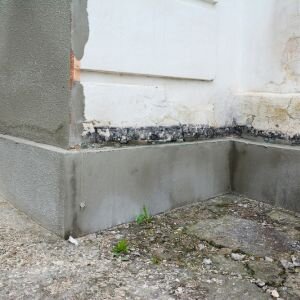
Time is often a major factor in deciding whether to repair foundation problems or sell the home as-is. Foundation repairs can take weeks to complete, and when you add in inspections, estimates, permits, and contractor scheduling, the process can easily take one to three months before the home is ready to list. Then a standard sale adds time for marketing, inspections, buyer financing and closing, so it can take several months to close.
Selling to a cash buyer or investor on an as-is basis is often quicker, with many deals closing in 10 to 21 days. This approach may mean a lower sale price, but it avoids repair delays, financing contingencies and many of the uncertainties of a typical sale. You also want to examine the carrying costs that continue to accrue while the property is unsold, including mortgage, taxes, insurance and utilities. The best solution for you will rely on your timeframe, your budget and whether the foundation problems need to be addressed sooner for safety or structural concerns.
Closing Process Complications and Solutions for Foundation-compromised NC Homes
Foundation concerns can pose unique challenges during the closing process, so it is important to be prepared to minimize last-minute delays. Title firms, lenders and insurance providers may request additional paperwork, such as structural engineer reports, repair bills, warranties or confirmation that the repairs were completed properly. If these records are collected and available, it would help keep the transaction on track.
Appraisals, final lender inspections and buyer walk-throughs can reveal concerns that must be explained before closing. Agreed-upon repairs, full disclosure records and early involvement in insurance or warranty issues might help avoid unforeseen challenges. In more complicated transactions, working with smart real estate agents and closing attorneys can help you navigate the closing process and reduce opportunities for deal-breaker problems.
Frequently Asked Questions
Is It Hard to Sell a Home with Foundation Issues?
Selling a home with foundation problems is definitely more challenging than selling one in perfect condition, but it’s not impossible. The key is proper pricing, full disclosure, and targeting the right buyers. Cash buyers and investors specifically look for properties with foundation issues because they can handle repairs and see the potential value.
What Devalues a House Most?
Foundation problems are among the top factors that devalue homes, along with major roof damage, electrical problems, and water damage. Foundation issues typically reduce home value by 10-25%, depending on severity. However, the impact varies significantly based on local market conditions and buyer demand in your area.
What Is the Hardest Month to Sell a House?
December and January are typically the hardest months to sell houses in North Carolina due to holiday schedules and cold weather. However, if you have foundation problems, market timing becomes less critical since you’re already targeting a specific buyer pool. Cash buyers and investors operate year-round regardless of seasonal trends.
How Much Less to Offer on a House with Foundation Issues?
Buyers typically offer 15-30% below market value for homes with foundation problems, depending on repair costs and severity. If foundation repairs cost $10,000 and the home would normally sell for $300,000, expect offers in the $250,000-$270,000 range. The discount reflects repair costs plus buyer risk and inconvenience factors.
If you’re dealing with foundation problems and need to sell your Raleigh, NC, house faster, you don’t have to navigate this alone. At Cardinal Home Buyers, we’ve helped hundreds of North Carolina homeowners sell foundation-damaged properties fast and fairly. We buy houses in any condition, handle all the paperwork, and can close in as little as two weeks.
Want to explore your options without any pressure? Visit Cardinal Home Buyers to get a no-obligation cash offer on your house. We’ll give you a fair price based on current market conditions and actual repair costs, not wild estimates. No fees, no commissions, no surprises.
Foundation problems feel overwhelming, but they’re just another challenge with practical solutions. Whether you decide to repair and sell traditionally or sell as-is to a cash buyer, you’ve got options. The key is making an informed decision based on your specific situation, timeline, and financial goals.
Helpful North Carolina Blog Articles
- Selling a Fire-Damaged House in North Carolina
- How to Avoid Probate for Real Estate Property in North Carolina
- How to Sell an Old House in North Carolina
- Selling a Home That Needs Repairs in North Carolina
- Capital Gains on Home Sale in North Carolina
- Can You Put a Lien on a House That Is Paid Off?
- How to Sell a House With Foundation Issues in North Carolina
- Selling a House With Water Damage in North Carolina