

Water damage in your home can be challenging, but it doesn’t mean you can’t sell. Whether it’s a burst pipe in Charlotte, storm-related flooding on the Outer Banks or a wet basement in Asheville, the impact differs, but there are still workable choices depending on the severity and timing of the damage. The important thing is to accurately assess the level of water damage and select the most feasible course of action, whether that is performing repairs, selling as-is, or adjusting your pricing based on the home’s current condition.
Understanding Water Damage Types and Severity Levels in North Carolina Properties
Not all water damage is the same, and the kind and extent of damage will directly impact your selling approach and timetable. Clean water damage occurs when supply lines break, sinks overflow, or when rainwater isn’t contaminated. This type of damage is usually the easiest to fix and the least problematic for buyers. Gray means some contamination, for example, from a dishwasher, washing machine or even toilet overflow (without feces). It needs a bit more cleanup, but it can still be feasible for an intelligent consumer. The most catastrophic is black water, which includes sewage backups, river floods or standing water left for more than 48 hours, which frequently means extensive structural repairs and mold remediation before a sale can happen.
In North Carolina, the risk is compounded by storm-related flooding, with NRDC statistics showing homes with prior flood losses averaging $1,211 in annual losses, compared with $61 for average homes, and over 13,000 homes acquired in 2021 already showing signs of prior flooding. Storm surge occurs in coastal areas such as Wilmington. Inland areas see river overflows and flash floods. Mountain areas like Asheville often receive excessive rainfall that exceeds the drainage capacity. Property elevation and grading can also be major factors, since low-lying properties or poor drainage are more prone to recurring moisture problems that purchasers will scrutinize.
Professional Water Damage Assessment and Inspection Services

An experienced examination will save you time and money by properly identifying the degree of the damage before deciding on repairs or listing. Certified water damage restoration companies have the tools to detect hidden moisture that may be lying behind walls, beneath floors and in crawl spaces. They can map out affected areas not visible with tools such as thermal imaging cameras and moisture meters.
Depending on severity, other specialists may be needed. Structural engineers will need to inspect any damaged foundations, floor joists or load-bearing structures. If water has been around for more than 24 to 48 hours, mold inspections should be done. Mold grows fast, and the humid North Carolina climate makes it even faster. Environmental specialists may be needed to test contaminated floodwater for germs, pollutants and other health hazards. Thorough paperwork from these specialists makes buyers feel more confident, helps you with insurance claims and protects you when you’re negotiating.
Essential Steps for Documenting Water Damage Before Listing Your House
Immediately document any water damage you see. Good documentation protects you from liability and lets the buyer know the property’s condition. Get as much as you can before the clean-up starts, including wide-angle shots of each damaged area and close-ups of floors, walls, ceilings and valuables. Use date stamps to ensure accuracy.
Include video walkthroughs for context, describing what happened and when the damage occurred. Write down what happened, why it happened, when it happened and what was done initially. Document in detail. Attach supporting paperwork (e.g., weather reports, maintenance records, etc.). Keep all receipts for repairs, interim accommodation and expert services; note down any insurance conversations; keep a record of products taken or thrown away; and create a clear timeline from discovery to remediation to show buyers exactly how the situation was handled.
Insurance Claims and Water Damage: What Sellers Need to Know
How much your insurance will pay for water damage depends largely on where the damage originated and on your policy. This will directly affect whether you repair the home or sell it as-is. Most homeowner’s insurance covers sudden and accidental damage, such as broken pipes or appliance failures, but often excludes natural flooding, which requires special flood insurance through the NFIP or private insurers. In fact, less than 4 percent of U.S. homeowners have flood insurance, leaving many homes vulnerable to severe out-of-pocket costs after flooding.
Gradual leaks or long-term moisture concerns are generally denied because insurance companies consider them maintenance issues rather than insured occurrences, and any claim submitted becomes part of the property’s record, which could affect future buyer insurance premiums and coverage alternatives. Before you file, it’s crucial to know what’s covered, compare repair estimates from several contractors, and consider the long-term ramifications, such as higher premiums or policy termination.
Detailed documentation throughout the claims process is essential because insurers may later dispute coverage. Strong records help protect your settlement, support disclosure requirements, and make it easier to sell your home for cash in North Carolina if you decide not to make repairs. Buyers and companies such as Cardinal Home Buyers often rely on clear documentation when evaluating water-damaged properties and making purchase decisions.
How Water Damage Affects Property Value and Market Appeal
Water damage can affect your house’s value and the cost to fix it. Buyers typically worry about concealed damage, ongoing dampness and insurance difficulties down the road. In North Carolina, where the median home price is around $375,000, and the market is heading toward a more balanced 5.48-month supply, water-damaged homes are drawing increased attention from the more selective buyers, which can dampen demand and result in more modest offers.
Disclosure of water damage can often reduce property value by 5% to 15%, and homes that have flooded numerous times can be devalued by 20% to 30% relative to similar properties. Lenders are more picky about the loans they are willing to review and issue. This makes it harder to get financing. Past claims or exclusions can raise insurance prices for future owners. Even if it’s repaired, it may be less desirable on the market, narrowing the buyer pool and keeping days on market over the North Carolina average of about 33 days, especially in less competitive areas. But places like the Research Triangle may be better equipped to absorb the repercussions.
Repair Vs. Sell As-is: Weighing Your Options for Water-damaged Properties
This choice will determine your entire selling approach and is based on your financial circumstances, the time frame you have, and the extent of the water damage. If the damage is modest, insurance is available, and you have the time, it can make sense to fix prior to selling. Quality repairs and skilled remediation can help restore much of the home’s value and marketability. Before you commit, add in the costs of permits, interim lodging and ongoing carrying costs, plus a 15% to 20% contingency for unexpected issues. In more robust seller’s markets, fixed-up homes could be more competitive, but in slower markets, the price gap might not be worth the expenditure.
As-is selling attracts cash purchasers and investors willing to do the repairs themselves, which allows for a faster, simpler departure, frequently 2 to 3 weeks instead of 45 to 60 days for standard sales. This can be especially useful if you are moving rapidly, under financial pressure or would like to avoid the hassle of dealing with contractors and insurance claims. Some companies, like Cardinal Home Buyers, buy water-damaged homes as-is and handle all repairs after closing, which takes a lot off the seller’s plate.
Legal Disclosure Requirements for Water Damage Selling Your Home
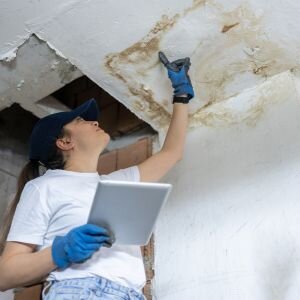
As of July 1, prospective buyers in North Carolina must be provided the new North Carolina Real Estate Commission home disclosure form, which adds questions about flood risk. Sellers must disclose if the property has been flooded, water has seeped into the property or pooled water from natural events, if there is flood insurance, if there is a FEMA elevation or flood certificate, and if any flood-related insurance claims have ever been filed, including through the National Flood Insurance Program.
If you don’t report existing water damage, you could be facing some major legal liabilities, including being sued for fraud or misrepresentation if problems are discovered after closing. The “as known to seller” criterion protects owners only against problems they really did not know about; observable symptoms, such as stains, mold or musty odors, must usually be mentioned. Real estate agents also have a duty to disclose problems they see, so it’s crucial to document things carefully and, when necessary, undertake inspections before listing to limit risk and promote openness.
Finding Cash Buyers and Investors Who Purchase Water-damaged Houses
For instance, a cash buyer is more practical for as-is sales, since they don’t have to worry about financing complications and can close quickly if your house has water damage. Water-damaged homes are of great interest to real estate investors who are actively seeking distressed properties and have the experience to estimate repair costs and move forward with no extended contingencies. There are also wholesalers in this market that connect vendors to investor networks, although generally at lower pricing for the speed and convenience they give. iBuyers and institutional investors may be active in North Carolina marketplaces, but they typically don’t include seriously damaged properties in their automated buying criteria.
If you need to sell your house fast for cash in Durham, NC, or other nearby cities, local house-buying companies like Cardinal Home Buyers, which work throughout North Carolina, handle distressed properties and can provide swift, accurate prices based on local market conditions. Investor websites expose purchasers to more buyers nationwide, but they may not know as much about the local market. Real estate brokers with a network of investors can market the property to both cash and traditional buyers, thereby reaching a wider audience. And sellers can also contact investor groups directly through real estate meetups and forums to request competitive offers. Auction businesses, in extreme cases, guarantee a sale date, but usually at market pricing.
Preparing Your Water-damaged Home for Showings and Inspections
Even sales, as they are now, require some preliminary work to attract buyers through the door and improve your bottom line. First, address any safety hazards, such as exposed electrical wires, unstable flooring or visible mold. Buyers and their agents will avoid homes with evident hazards. Then do everything you can to clean up and tidy up. Remove damaged goods, sanitize contaminated surfaces and increase airflow to remove odors. Ensure that all affected areas are accessible so that inspections can be performed unimpeded.
Records for serious consumers (extensive). This includes damage reports, repair estimates, insurance correspondence and required disclosure forms. Other presentation enhancers include staging the intact areas to showcase the living spaces, installing temporary lighting in damaged rooms, and posting clear signage for any safety concerns or prohibited areas. Schedule showings when there is good natural light to better display the property and be prepared to answer questions, personally or through your agent, about the timeline of the damage, remediation efforts and any planned or executed repairs.
Negotiating Sale Terms and Price Adjustments for Water Damage Issues
Successful talks on a water-damaged property involve realistic pricing, transparency and flexibility. Price the house according to what other similarly damaged houses have sold for, not just a reduction from undamaged houses. Buyers often are well aware of area values. Price cuts across the board might not be as effective as offering repair credits or allowances based on professional estimates, as this gives buyers control over how and when repairs are done. To attract a wider group of purchasers, consider options such as seller financing for individuals who can’t get a traditional loan, flexible closing timelines that let investors coordinate contractors and permits, or lease-back arrangements if you need more time to relocate. Inspection contingencies are standard; they should be built in with reasonable deadlines. Documentation, limited warranties on completed remediation work and transparency about your timeline and motivations can help build trust, strengthen offers and keep negotiations focused and productive.
Timeline and Process for Selling a Water-damaged House in North Carolina
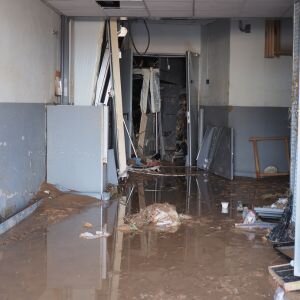
The time to sell a water-damaged property depends greatly on the technique you use. An old-fashioned MLS sale with repairs takes 60 to 90 days from listing to close, followed by another 30 to 60 days for the repairs to be completed. So you’re looking at 3 to 5 months, all in all. MLS listings that are sold as is tend to go faster, commonly in 45 to 75 days, but purchasers typically require some more time for inspections, contractor estimates, and finance approval. Cash buyers can often close in as little as 14 to 21 days. Auction sales normally close in 30 to 45 days after the auction date; however, if you need to market the property before the auction, this might add several weeks.
Damage severity is also a factor in preparation time. Cleaning up minor water issues and documenting them can take a few days. Major flooding can take weeks to resolve safety concerns and to collect the needed records. If you’re selling directly to a company like Cardinal Home Buyers, the sale frequently closes in 2 to 3 weeks. These organizations don’t have to rely on traditional financing and can conduct due diligence quickly. If you are selling with a real estate agent or on your own, the process of dealing with title work, preparing disclosures and reviewing documents normally extends your timetable by 7 to 14 days. And then there are market circumstances, weather and hurricane season that can impact the total time it takes to close.
Avoiding Common Mistakes Selling Properties with Water Damage
Many sellers make mistakes that cost them money or unnecessarily postpone the closing. A classic example is omitting to disclose known water damage. This can create legal liabilities and decrease buyer trust. Another costly mistake is to over-improve the property. Costly repairs are not always repaid in the sale price, particularly when selling to investors or cash buyers. Sellers often overprice their properties based on their emotional attachments rather than market conditions, resulting in prolonged listing times and price reductions. An inexperienced agent with distressed properties can further limit exposure to the suitable purchasers.
Other blunders happen during the negotiation and planning phases. If you take the first offer, without seeing all the options, you may be leaving money on the table. Not checking buyer qualifications may cause the deal to fall apart later. Poorly designed or rushed repairs can generate new problems, and neglecting construction rules or permit requirements can lead to significant complications during inspections and due diligence. Finally, inadequate documentation of damages, repairs and disclosures can scare off serious purchasers, make the property seem less legitimate, erode confidence and weaken your negotiation position.
If you’re looking for a faster, simpler way to sell a water-damaged home, reaching out to Cardinal Home Buyers can help you explore your options and avoid many of the common challenges of traditional sales.
Frequently Asked Questions
How Do You Sell a House with Water Damage?
Start by documenting all damage thoroughly with photos and professional assessments. Decide whether to repair the damage or sell as-is based on your timeline and budget. Work with experienced real estate professionals who understand distressed property sales, or consider direct sale to cash buyers who specialize in water-damaged homes.
What Should You Not Fix Before Selling a House?
Avoid expensive cosmetic upgrades that won’t deliver a good return, especially in water-damaged areas. Don’t attempt major structural repairs without proper permits and professional oversight. Skip luxury improvements like high-end fixtures if selling to investors who plan their own renovations.
What Closing Costs Does a Seller Pay in North Carolina?
North Carolina sellers typically pay 6-10% of the sale price in closing costs, including real estate commissions (usually 5-6%), transfer taxes, attorney fees, and title insurance. You may also pay for required repairs, home warranties, or buyer closing-cost assistance, depending on the negotiated terms.
What Is the Hardest Month to Sell a House?
December and January are traditionally the most challenging months for home sales due to holidays and weather. However, motivated buyers during these months often face less competition, which can benefit sellers of distressed properties who price realistically for market conditions.
You don’t have to stress about selling a water-damaged house. You can do repairs and list the home the traditional way, or you can sell as-is and avoid the bother altogether. It’s your choice.
I have walked hundreds of homes in North Carolina through this situation. Each property is different, but the basics remain the same: be open and honest about the damage, understand your market, and choose the option that aligns with your timeline and goals.
If you want to discuss your specific circumstance, we’re here to help. No pressure, no strings. Sometimes it helps to receive a professional perspective on what you’re dealing with and your practical options. You can contact us at any time at Cardinal Home Buyers.
Helpful North Carolina Blog Articles
- Selling a Fire-Damaged House in North Carolina
- How to Avoid Probate for Real Estate Property in North Carolina
- How to Sell an Old House in North Carolina
- Selling a Home That Needs Repairs in North Carolina
- Capital Gains on Home Sale in North Carolina
- Can You Put a Lien on a House That Is Paid Off?
- How to Sell a House With Foundation Issues in North Carolina
- Selling a House With Water Damage in North Carolina