
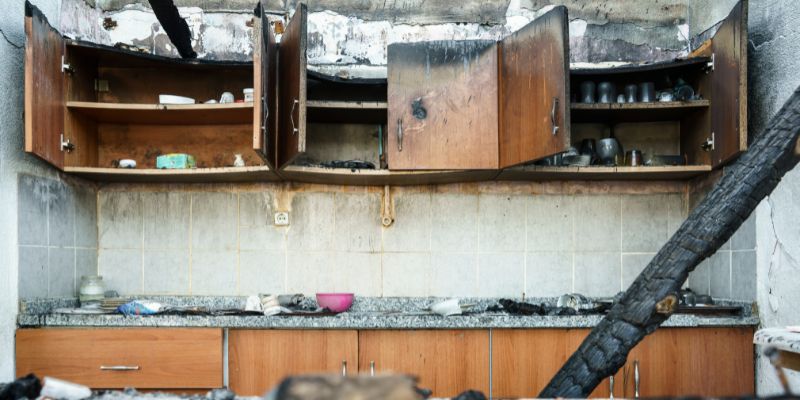
Looking at a fire-damaged house in your driveway feels like staring at a mountain. Everything’s charred, soaked, and broken. But here’s the reality: thousands of North Carolina homeowners face this exact situation every year, and most don’t know their options. North Carolina has an exceptionally low death rate (0.6), significantly better than Alaska’s, which has the highest death rate (25.5) by a substantial margin. That’s good news for fire safety, but it doesn’t help when you’re dealing with the aftermath. Over a decade of buying houses in the Tar Heel State has shown every scenario imaginable.
Understanding Fire Damage Assessment for North Carolina Properties
The first step isn’t calling contractors or your insurance agent; it’s understanding what you’re actually dealing with. Fire damage happens in layers, and each layer changes your selling strategy. Structural damage affects the bones of the house, like walls, floors, roof trusses, and foundations, and it’s the kind of damage that scares buyers and lenders away because it can make a property hard to finance or even unsellable.
Smoke damage is often underestimated, but it spreads far beyond the flames. It seeps into drywall, insulation, ductwork, and even concrete, leaving lingering odors and contamination that require professional remediation. Even if the fire was contained to one area, smoke can make the entire home feel unlivable. It can also create long-term health concerns if not properly treated.
Water damage from firefighting efforts is another major issue and often worse than the fire itself. Thousands of gallons of water can saturate basements, crawl spaces, and wall cavities, leading to mold growth and hidden deterioration. Because much of the damage isn’t visible, a professional structural engineer’s report is critical, even if you plan to sell as is. The full assessment usually takes 2 to 3 weeks, but it becomes the foundation for every decision that follows.
Cardinal Home Buyers provides a fast, as-is solution for fire-damaged properties, eliminating the need for repairs, inspections, or financing delays. We assess the full extent of structural, smoke, and water damage and make a fair, no-obligation offer so you can sell quickly, without the uncertainty and stress of a traditional listing.
Smoke Damage Remediation and Its Impact on Resale Value
Smoke damage is a stealthy way for value to be lost in real estate. It is almost like a parasite that hides in a house’s walls and HVAC systems long after the fire has been doused. Many houses that have been completely remodeled and repaired can still give off that smell and signal obsession to all the buyers who come to an open house. It can’t be hidden with paint or air fresheners, and buyers usually notice it immediately. Even when a property looks fully repaired on the surface, lingering smoke odor can make it difficult to sell at market value.
Proper smoke remediation is more than cosmetic cleanup. Professionals first isolate the affected areas, then remove porous materials such as drywall, insulation, carpet, and, sometimes, flooring. After that, they deep-clean structural surfaces and ductwork with industrial-grade equipment and chemicals, then seal all surfaces with specialized primers to lock in any remaining odors.
Typical costs range from $3 to $8 per square foot for light damage and $7 to $15 for severe damage, so a 2,000-square-foot home can cost $6,000 to $30,000 in remediation. Besides the price, the remediation may allow you to avoid a cash sale, which can be 20% to 40% below the market price. Proper remediation can improve the resale price so it can, in many cases, pay for itself.
North Carolina Building Codes and Fire Damage Restoration Requirements
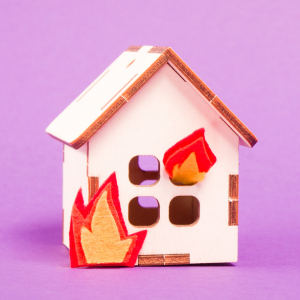
The North Carolina State Building Codes apply statewide and govern all major aspects of construction, including structural work, fire safety, electrical, plumbing, HVAC, and accessibility, to sell your house fast in Raleigh and other cities in North Carolina. These rules directly affect how fire damage repairs and restoration must be done, often requiring work to meet current standards rather than the standards in place when the home was originally built.
Because of this, fire damage repairs can quickly go beyond simple fixes. Instead of just replacing damaged components, homeowners are often required to upgrade systems to meet modern code requirements. For example, outdated electrical systems may require GFCI outlets, arc-fault breakers, or even a full panel upgrade rather than like-for-like replacements.
Plumbing, HVAC, and structural repairs all require permits and must meet specific code requirements, as per state and fire codes. Fire damage repairs may require permits, and their review can take several weeks, as multiple inspections may be required during construction.
There may be financial and time implications of these requirements. Yet many code-compliance requirements can be shifted to the buyer in as-is sales, especially in cash sales. This is the reason many homeowners choose to sell in this condition, even at a discount. This allows sellers to avoid repair costs and the time spent on permits, enabling them to quickly finalize the sale.
Finding Qualified Fire Damage Restoration Contractors in North Carolina
Fire damage restoration is not something every contractor can do. This is a highly specialized field that only a few contractors have the proper training, equipment, and certifications for. Hazardous materials and invisible structural damage are both difficult and dangerous to work with. The wrong contractor will lead to significant delays, cost-cutting, and poor restorations. Verifying a contractor’s experience through prior clients is critical, so only hire contractors with proven experience and specialization in fire damage restoration.
Find Contractors who are certified by the Institute of Inspection, Cleaning, and Restoration Certification (IICRC) and who know about the proper ways of assessing and restoring fire damage. In addition to an IICRC certification, the contractor should also be licensed and insured. Experience should also be verified mainly in fire damage restoration. All of these factors confirm that the restoration work will be performed in accordance with the relevant safe building standards and will be free of unresolvable code violations. Certification also confirms that the restoration work will be safe and will not be left incomplete.
Get multiple detailed estimates, but do not automatically pick the lowest price because fire restoration is complex, and cheap offer often lead to hidden costs later. Ask for recent references, and consider contractors who regularly work with insurance companies since they can help manage claims and documentation. If you are selling the property as is, you may be able to skip restoration entirely and let the buyer handle the repairs. Comparing both cost and scope of work helps you avoid unexpected expenses down the line.
Essential Steps to Take Before Selling Your Fire-damaged Home
The first 72 hours after a fire are critical for maintaining control over your selling options. Acting quickly can prevent costly mistakes that limit your choices later. Contact your insurance company right away, but avoid giving detailed statements until you fully understand the extent of the damage. Insurance providers may push for quick settlements, so take time before agreeing to anything.
Secure the property immediately to prevent further damage and protect against theft or weather exposure. Board up windows, tarp damaged roofing, and lock all entry points. At the same time, document everything thoroughly with photos and video before any cleanup begins, since this record is essential for insurance claims and future buyers.
Notify your mortgage lender if applicable, as they may have specific requirements for fire-damaged properties. They can also guide you on obligations that affect your loan during the recovery process. Do not discard any items until your insurance adjuster has reviewed them, since even heavily damaged belongings may still factor into your claim.
Before deciding on repairs, start exploring your selling options and get a professional fire damage assessment. Consider your financial situation and timeline. An as-is sale may be more practical if repairs are too costly or time-sensitive. Compare traditional buyers, who expect restored homes, with investor buyers who purchase properties in damaged condition.
How Fire Damage Affects Property Value in the North Carolina Housing Market
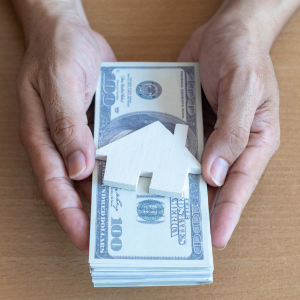
In March 2024, home prices in North Carolina rose 0.3% year over year, reaching a median of $381,900 for undamaged properties. Fire damage, however, completely changes how a home is valued, with affected properties typically selling anywhere from 40% to 95% of comparable intact homes, depending on severity and circumstances. Factors such as the extent of damage, repair quality, required disclosures, and overall buyer perception all play a major role in determining the final price.
One of the strongest value drivers is location. A fire-damaged home in a place like Myers Park in Charlotte, a high-demand neighborhood, will retain more value than a similar house in a rural county. More buyers and investors are willing to take on renovations in requested areas, and that will always work in a location’s favor. The type of fire damage matters as well. Homes in high-demand areas that have suffered cosmetic and smoke damage and have an intact structure can fetch approximately 70% to 80% of market value. Structural damage can knock values to 50% to 60% of the market value and, in many cases, even lower. There is a high perceived risk coupled with financing gaps.
Restoring a fire-damaged property can recover much of its value, but it is expensive and time-consuming. Full restoration often costs around 15–30% of the home’s pre-fire value, not including permits, holding costs, and months of lost time during repairs. In some cases, selling as-is at a discounted price can end up being financially equivalent after all costs are considered, especially when factoring in stress and delays.
If you’re dealing with a fire-damaged home in North Carolina, you can avoid the stress, repair costs, and delays by accepting a fair cash offer. Contact us today for a fast, as-is sale based on your property’s current condition and location, no repairs, no fees, just a straightforward solution.
Legal Requirements for Disclosing Fire Damage in North Carolina Real Estate Transactions
In North Carolina, it is against the law not to disclose fire damage when you sell your home. For all residential sales, sellers must complete the Residential Property and Owners’ Association Disclosure Statement. It is mandatory to indicate if there is a history of fire damage, even if the damage has been repaired. The goal of this statute is to protect the buyer and ensure transparency about fire damage history.
Simply saying a fire broke out is not enough. Sellers must be as thorough as possible and specify what caused the fire, the extent of the damage, which areas of the home were affected, what was repaired, and what was restored. They must disclose when the fire broke out, and, if known, the fire’s ignition source, which construction companies were hired to perform the restoration, whether the repairs were done up to code, and whether the city conducted a post-repair inspection. Sellers must disclose all fire-related information and restoration efforts, regardless of whether they did a complete restoration of the property.
It is also essential to maintain and provide supporting documentation, including insurance claims, repair estimates, receipts, permits, inspection reports, and photos. Buyers and their agents may review these during the due diligence period. Attempting to hide fire damage can result in serious consequences, including lawsuits and financial penalties, even years after the sale. Because “as-is” sales still require full disclosure of known defects, consulting a real estate attorney is strongly advised to ensure compliance and avoid legal risk.
Marketing Strategies for Fire-damaged Properties in Competitive Markets
Marketing fire-damaged properties requires honesty, transparency, and strategic positioning. The fire history cannot be hidden, so the focus should be on controlling the narrative and emphasizing the property’s potential and improvements. Clear communication from the start helps attract serious buyers and reduces wasted inquiries. This builds trust early in the process.
High-quality professional photography is essential, along with clear visuals that show the property’s condition. If restoration work has been completed, before-and-after photos can be especially powerful, helping buyers understand the transformation and build confidence in the renovation quality. Good lighting and wide-angle shots can also make the space feel more open and appealing. Visual clarity reduces buyer hesitation.
Marketing descriptions should emphasize what has been repaired or upgraded rather than focusing on past damage. Phrases like “completely renovated with new electrical, plumbing, HVAC, flooring, and kitchen” are more effective than simply stating that fire damage was repaired. This approach helps shift attention from history to value. Strong wording improves perceived value.
Successful marketing also involves targeting the right buyers, such as investors and contractors, rather than traditional homebuyers. Pricing should be competitive to reflect a smaller buyer pool, and incentives like covering closing costs or including appliances can help attract interest. Working with agents to reach specialized investors directly can further improve selling chances. Focused outreach increases the likelihood of a faster sale.
Working with Insurance Companies During Fire Damage Property Sales

Insurance companies are not an ally in this process. They are businesses that aim to minimize their payments. They have specialists who are single-mindedly focused on settling claims for the least amount possible. One of the most serious mistakes made by fire-damaged homeowners is accepting the first offer, which, in most cases, is a low-ball offer aimed at quickly closing the claim. Patience and documentation during negotiations make a significant difference in securing a big payout.
Document everything carefully. Take photos of all damage before cleanup begins, and keep receipts for all related expenses, such as hotels, clothing, and meals, since many of these costs can be reimbursed. Also, understand your policy, especially the difference between actual cash value (which factors in depreciation) and replacement cost coverage (which pays to replace items with new equivalents). The more organized your records are, the harder it is for insurers to dispute your claim.
You’re not required to use insurance-recommended contractors; you can hire your own and base negotiations on their estimates. If you’re selling the property instead of repairing it, your strategy shifts toward maximizing a cash settlement. In complex or high-value claims, a public adjuster can also help since they work on your behalf and often increase the final payout enough to offset their fee. Getting independent opinions early can prevent you from settling for far less than your claim is worth.
Alternative Selling Options for Severely Fire-damaged Properties
When fire damage is extensive, traditional selling methods may not work, so alternative options can help you still recover value. Auctions are often effective because they attract investors and contractors seeking distressed projects, and competitive bidding can sometimes drive higher-than-expected prices, even for as-is properties, especially in active investor markets. This can help you sell faster than waiting for traditional buyers, and cash home buyers in North Carolina are also a common option for quick, as-is sales.
Sometimes, the land can be worth more than the damaged structure on it. For buildings that are damaged beyond repair, it can make sense to sell the land. Developers may be willing to pay more than the average price for land with high redevelopment potential, regardless of the structure. The most important consideration in all of these situations is the location. As a result, zoning laws and future development plans for the area must be examined before selling the land.
Other, less common options include insurance companies buying severely damaged properties directly when repair costs are extremely high, as well as partial sales or joint ventures in which contractors handle renovations and share profits. These arrangements can reduce your risk while still allowing you to participate in the property’s upside. This approach helps you avoid full upfront renovation costs.
For properties that are still livable, you can consider rent-to-own options, long-term renting (even though some cosmetic damage might affect internet traffic), seller financing to attract multiple buyers despite traditional loans, or donation. Donation might be considered, especially if the property has become a financial burden and the tax benefits are in your favor. Each option can convert what was once considered a burden property into a manageable financial outcome.
Fire Safety Upgrades That Increase Marketability of Damaged Homes
If you plan to restore a fire-damaged property before selling, prioritize upgrades that improve both safety and buyer confidence. Installing sprinkler systems, even where not required, can be a strong selling point and may lower insurance costs. Enhanced smoke detection, such as interconnected, hardwired detectors with battery backup, adds reassurance, while using fire-resistant materials for roofing, siding, or landscaping shows a proactive approach to preventing future incidents.
Your property becomes more attractive with an upgrade to core systems. Modern electrical upgrades with AFCI breakers and surge protection, along with an upgraded electrical panel, lower fire risk. Modern HVAC systems, new ductwork, upgraded filtration, and air purification help mitigate post-construction smoke damage and improve overall indoor air quality. Adding safety systems, such as fire suppression systems, especially in the kitchen area, helps ensure safety and aligns with the upgrade focus of the complete restoration.
Finally, focus on features that highlight preparedness and long-term protection. Improved escape routes, such as egress windows or escape ladders, and fire-resistant landscaping create a safer environment, especially in fire-prone areas. Smart fire safety technology, including connected detectors and automatic shut-off systems, adds modern convenience and protection. Be sure to document all upgrades with photos and records to support your asking price and build buyer trust.
Tax Considerations When Selling Fire-damaged Real Estate in North Carolina
Fire damage can create complex tax consequences when selling property. The way you document losses and insurance payouts can significantly influence your final tax liability. Proper recordkeeping is essential throughout the recovery process. Insurance proceeds are generally not taxable, but if the payout exceeds your property’s adjusted basis, you may owe tax on the gain. You may also be able to claim casualty loss deductions for unreimbursed fire damage, subject to limits based on your adjusted gross income.
Tax timing matters because insurance proceeds and deductions are typically reported in the year they are received, not in the year the fire occurs. This can shift your taxable income between years depending on when claims are settled. If you sell the property, capital gains tax may apply based on the difference between the sale price and your adjusted basis, which can be affected by depreciation, fire damage, and restoration costs. Rental properties may also be subject to depreciation recapture even after a fire.
There are strategies that can reduce or defer taxes, such as Section 1033 like-kind exchanges, which allow deferral of capital gains if insurance proceeds are reinvested in replacement property within required time limits. Homeowners may also qualify for the primary residence capital gains exclusion, while restoration expenses can increase your basis and reduce taxable gain. Because the rules are detailed and situation-specific, consulting a tax professional is important before selling fire-damaged property.
Selling a fire-damaged house in North Carolina doesn’t have to be overwhelming. You’ve got options, and the right choice depends on your specific situation, timeline, and financial goals. Hundreds of homeowners have been guided through this process over the years. Some choose to restore their properties and sell through traditional channels. Others decide that an as-is sale makes more financial sense. There’s no universal right answer. What matters is making an informed decision based on accurate information about your property, your market, and your options. Don’t let emotions or pressure from others drive your decision-making process.
Frequently Asked Questions:
Can you sell a house with fire damage?
Yes, you can absolutely sell a house with fire damage in North Carolina. You have several options: sell as-is to cash buyers or investors, complete repairs and sell through traditional channels, or explore alternative selling methods, such as auctions. The key is understanding your options and choosing the strategy that best fits your timeline and financial situation.
What is the Property Damage Law in North Carolina?
North Carolina requires sellers to disclose all known material defects, including fire damage, regardless of whether repairs have been completed. You must complete a Residential Property and Owners’ Association Disclosure Statement that details the fire history, damage extent, and any restoration work. Failure to disclose can result in legal liability and financial penalties.
What makes a house unable to sell?
Houses become difficult to sell when they have extensive structural damage, undisclosed problems, permit issues, or are significantly overpriced for their condition. Fire-damaged properties can sell, but they require proper pricing, honest disclosure, and sometimes targeting specific buyer types, such as investors rather than traditional homebuyers.
How much are closing costs for a seller in North Carolina?
Seller closing costs in North Carolina typically range from 6–10% of the sale price, including real estate commissions (5–6%), attorney fees ($500–$1,500), title insurance, transfer taxes, and other fees. For fire-damaged homes sold to cash buyers, costs are often lower because there are no commissions and fewer financing-related fees.
If you want to talk through your options with a team that’s been buying fire-damaged houses in North Carolina for over a decade, Cardinal Home Buyers offers no-obligation consultations and fair cash offers within 24–48 hours. We make the process simple and stress-free, because the fire was traumatic enough. We’re here to provide clear information, help you understand your choices, and support the decision that’s right for you. When you’re ready, call (919) 609-5173 for honest, no-pressure guidance.
Helpful North Carolina Blog Articles
- Selling a Fire-Damaged House in North Carolina
- How to Avoid Probate for Real Estate Property in North Carolina
- How to Sell an Old House in North Carolina
- Selling a Home That Needs Repairs in North Carolina
- Capital Gains on Home Sale in North Carolina
- Can You Put a Lien on a House That Is Paid Off?
- How to Sell a House With Foundation Issues in North Carolina
- Selling a House With Water Damage in North Carolina