
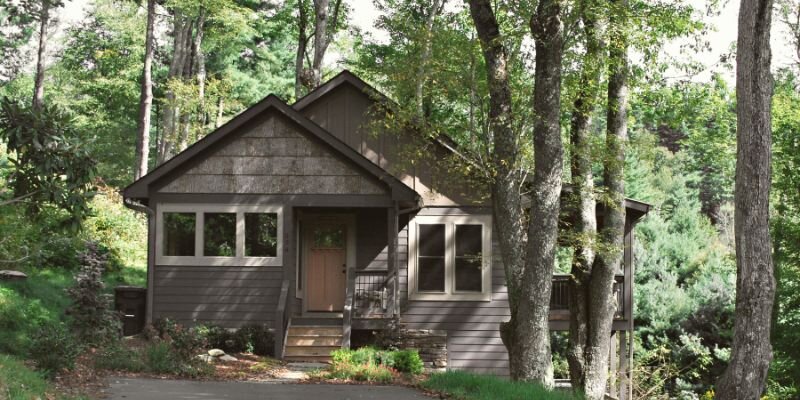
Your old house has outlasted three presidents and probably a few questionable design trends, which means it has more personality than half the new builds going up across NC right now. That personality is your biggest asset when you sell, but only if you know how to use it.
This guide gives you a detailed look at how to sell an old home in North Carolina. You’ll learn the issues older NC homes tend to hide, tips for a fast sale, and more!
6 Common Issues Hidden in Older NC Homes
If you walk into any home built before 1980, you’re basically walking into a time capsule. That’s charming in theory. In practice, it means outdated systems and materials that didn’t age well. It may also mean problems that have been quietly getting worse for decades.
Outdated Wiring and Electrical Panels
Many older NC homes still run on electrical systems that were never designed for modern life. Things like knob-and-tube wiring, aluminum wiring, and undersized panels with fuses instead of breakers. These are the kind of things that get flagged by inspectors and used by buyers as leverage to drive your price down.
If your home can barely power a laptop and a coffee maker at the same time without tripping a breaker, you should probably take a look at it before listing day.
Aging Plumbing Materials
Galvanized steel pipes rust from the inside. By the time you notice the water pressure dropping or the water looking a little off, the damage is already done.
Polybutylene pipes, which were widely used in the 80s and 90s, have a long track record of failing without warning.
Buyers and their lenders both know this. A plumbing issue in an older home can unravel a deal that was otherwise going smoothly.
Lead Paint, Asbestos, and Other Old Materials

If your home was built pre-1978, lead paint is almost certainly in there somewhere. Homes from the early 80s may have it, too, since contractors were still using up existing stock after the federal ban kicked in.
Asbestos is another one. It shows up in insulation, old floor tiles, pipe wrap, and those popcorn ceilings that seemed like a great idea at the time. North Carolina sellers are legally required to disclose known lead paint hazards, so finding out before buyers do is always better.
Foundation Settling and Structural Wear
Sticking doors and hairline drywall cracks are normal in an older home. NC’s clay-heavy soil expands and contracts with the seasons, and houses shift with it over time.
What’s not normal is long cracks running diagonally across the foundation and walls, bowing inward. Floors that have developed a noticeable slope are also unusual. These are signs that the settling went further than it should have, and buyers with a good inspector will catch it.
Roof and Attic Problems
Asphalt shingles last roughly 20 to 30 years. A lot of older NC homes are well past that without a replacement, which means the roof is one bad storm away from becoming the buyer’s first major project.
Attic problems often accompany roof problems. Moreover, poor ventilation and missing insulation tell the same story: this home has been losing heat and allowing moisture to enter for a long time.
Old HVAC Systems and Poor Insulation
An HVAC system that’s 25 years old is not a selling feature. Buyers are going to ask about it, and the negotiation is going to come back to it one way or another.
Older homes with single-pane windows and walls that were never insulated properly make the problem worse. When a buyer asks to see the utility bills and the numbers are high, enthusiasm cools.
Tips for Selling an Old House in NC: Repairs, Cleaning, and Curb Appeal
Selling a home that needs repairs takes more than a quick tidy-up, especially when preparing an older property for the North Carolina market. Buyers have many options and often examine older homes much more carefully than newer builds. Your goal when trying to sell a home that needs repairs is to reduce buyer concerns, highlight the property’s potential, and give buyers more reasons to stay interested instead of walking away.
Tackle the Major Fixes That Stop Sales Cold
Most sellers think the goal is to make the house look good. It’s not. The goal is to make the house financeable.
Buyers can love your home and still lose it. FHA and VA loans, which cover a large share of NC buyers, have property-condition requirements that have nothing to do with personal taste. A flagged electrical panel or active roof leak doesn’t just scare buyers. It can make the bank walk away entirely, even after everyone has signed.
That’s the scenario worth losing sleep over.
A pre-listing inspection for $400 to $600 gives you control. You find out what’s coming before buyers do, and you get to decide what to fix and what to put in writing upfront. That’s a completely different negotiation than scrambling to respond to a buyer’s inspector at the eleventh hour.
The things most likely to blow up your deal:
- Electrical: Old wiring and outdated panels are not just a buyer concern. Insurers frequently decline coverage or charge punishing premiums on homes that still have them. No insurance, no mortgage.
- Plumbing: Galvanized pipes corrode silently for years before anything looks wrong. By the time pressure drops or water discolors, the damage is already significant.
- Foundation: Not every crack is a catastrophe, but buyers don’t know that. A written assessment from a structural engineer turns a scary unknown into a documented fact, which is always easier to sell around.
- Roof: Anything past 20 years old is already doing math in a buyer’s head before they even make an offer.
Knock Out Small Repairs With Strong Returns
Buyers make emotional decisions first and logical ones second. They walk through a home and get a feel for it before they ever read an inspection report.
A house with ten small broken things feels neglected. It doesn’t matter that the roof is new or the HVAC was just serviced. The feeling sticks.
The fix is not complicated. Walk through your own home like you’re seeing it for the first time. Better yet, bring someone who hasn’t been in it for a while and ask them to be honest. Write down everything that feels slightly off or slightly like something a previous owner gave up on.
Then fix it.
What to zero in on:
- Doors: Every door in the house should open, close, and latch without a fight. Buyers check them all and remember the ones that don’t work.
- Water stuff: Drips, slow drains, and corroded fixtures all suggest plumbing problems, whether there are any or not. Don’t give buyers that mental image.
- Walls and ceilings: A patched hole reads as a sign of maintenance. An unpatched one reads as neglect. Old water stains are especially bad because buyers assume the problem is ongoing even when it isn’t.
- Cabinet hardware: Swapping out tired pulls and handles is a one-hour project that makes kitchens and bathrooms feel intentional instead of forgotten.
Refresh the Paint and Hardware
Paint is the cheapest thing you can do to an older home that makes the biggest visible difference. Fresh walls tell buyers someone was paying attention, and that feeling carries through the whole showing.
Don’t go for greige that every flipped house in America has been wearing since 2015. Go warm and neutral, something that feels current without trying too hard. Buyers need to mentally place their furniture in your rooms, and a wall color that’s too specific gets in the way of that.
Check room by room. Look for scuffs and that crayon situation from a previous decade. Touch up what you can, repaint what you can’t. The front door, especially. It’s the first thing buyers touch, and it sets the tone before they even step inside.
On hardware, update old brass pulls from an era that has very much passed, or worse, no hardware at all because someone removed it and never put anything back. A new set in matte black or brushed nickel costs almost nothing and makes cabinets feel like they belong in this decade.
Deep Clean Every Surface
Buyers are not just looking at your house. They are deciding how you lived in it.
A clean home tells a story about maintenance without saying a word. It makes buyers assume the water heater got serviced and the HVAC filter got changed. It’s not rational, but it really affects offers.
This is not a vacuum-and-wipe situation. Get into the grout, the window tracks, the top of the fridge, and the light switch plates. The places a detail-oriented person walking slowly through your home will actually look at.
One spot people consistently forget is the garage and the basement. Buyers always open those doors. They always remember what they find.
Get Rid of That Musty Old House Smell

Smell is the one thing you cannot fix in a listing photo, and it’s the first thing buyers register the second they walk in.
Most sellers have gone completely nose-blind to their own home, which is the real problem. Get an honest friend in before you list and ask them to tell you the truth. An uncomfortable five-minute conversation is a lot cheaper than a showing that quietly goes nowhere.
Fix the source, not the symptom. Change the HVAC filters and air the place out before every showing. No scented candles. Buyers clock those immediately, and it raises more suspicion than it clears. If the smell is stubborn, a professional odor remediation service is worth every peso.
Remove Personal Items So Buyers Can Picture the Space
Buyers make decisions with their gut before their brain catches up. And it’s really hard to fall in love with a house when someone else’s life is covering every surface.
It’s not really about having bad taste, but about mental real estate. Every family photo on the wall and every kid’s drawing stuck to the fridge is one more thing standing between a buyer and their own vision of the space.
Pack it down. Give the room to breathe. A slightly empty house shows bigger and lets buyers do the one thing you actually need them to do: start imagining themselves in it.
Polish the Curb Appeal
Buyers form a first impression before they even get out of the car. By the time they reach your front door, the feeling is already forming, and it’s going to color everything they see inside.
Mow the lawn and deal with anything overgrown. Power wash the driveway if it needs it. Touch up the front door. Check that the house numbers are visible and the porch light actually works. These are small things that take a weekend morning, and they change the entire arrival experience.
Older homes in NC especially benefit from this because the neighborhood itself often does the heavy lifting. Buyers see the mature trees, established streetscapes, and actual sidewalks. Make sure your property looks like it belongs in that picture.
Show Off the Original Architecture and Character
No new build can fake hardwood floors, deep baseboards, wainscoting, transom windows, and a fireplace mantel with actual detail work. These features cost a fortune to replicate today, and buyers who know that will pay for them.
Don’t assume they’ll notice on their own. Call it out in the listing description. Make sure your photographer knows what to shoot and how to shoot it. During showings, point it out directly. The buyers who are right for an older home are often specifically hunting for this stuff, and they get excited when a seller actually understands what they have.
Highlight Updated Systems to Reverse Buyer Concerns
An older home with a new roof appeals better than one where the seller shrugs and says they think it was replaced sometime in the 90s.
Documentation changes the entire energy of a negotiation. A folder with receipts, warranty cards, and contractor notes for recent updates to the HVAC, plumbing, electrical, or roof tells buyers that the scary unknowns of buying an old house have already been dealt with.
If you don’t have paperwork but you know work was done, track down the contractor and ask for a written summary. Something is always better than nothing. Buyers respond to specifics in a way that vague reassurances just don’t deliver.
Play Up the Mature Landscaping
New construction neighborhoods look like someone just pulled the shrubs out of a nursery bag and stuck them in the ground. Because that’s exactly what happened.
An older NC home with a 30-year-old oak out front and a backyard that actually has shade is offering something that cannot be bought or fast-tracked. Buyers notice this all too well.
Call it out in your listing. Don’t let it sit in the background like a given. Mature landscaping is a feature, not just scenery.
Name the Architectural Style in Your Listing
Most listing descriptions say something like “charming older home with lots of character.” That tells buyers almost nothing.
Use Craftsman bungalow, Cape Cod, Colonial Revival, and Mid-Century Modern. These are search terms and identities all at once. Buyers who are specifically looking for a Craftsman are not casually browsing. They know what they want, and they get excited when they find it. They tend to be more serious when they make an offer.
Naming the style also does something subtler. It tells buyers that this seller actually understands what they’re selling. That confidence reads well, and it attracts the right people instead of just anyone scrolling past.
If you’re not sure what style your home is, ask your agent or do a quick search. It’s worth knowing before you write a single word of your listing description.
Steps to Sell an Old House in NC
Step 1: Get a Pre-Listing Inspection
A pre-listing inspection costs $400 to $600, and it’s the single best money you’ll spend before listing.
You find out exactly what a buyer’s inspector will find, but on your own timeline with zero pressure. The inspection covers the foundation, roof, electrical, plumbing, HVAC, and anything else reaching the end of life.
Once you have that report, you’re in control. You decide what to fix and what to put in writing before buyers ever get involved.
Sellers who skip this hand give all the leverage to the buyer the moment that the inspection report lands. Every surprise becomes a negotiation, and you’re always reacting instead of leading.
Step 2: Gather Your Maintenance Records
Pull together every receipt, warranty, and service record you can find from the last decade. Any records, including roof work, HVAC servicing, plumbing repairs, and pest treatments.
Buyers of older homes are specifically worried about deferred maintenance. A folder of documented upkeep flips that concern fast. It tells them the problems that typically hide in older homes have already been dealt with.
If you can’t find the paperwork, write down what you remember with approximate dates and costs. It’s still better than shrugging, and buyers respond to sellers who clearly paid attention.
Step 3: Decide on Repairs and Updates
With the inspection report in hand, time to make decisions. Some repairs are worth doing before listing because they directly affect financing or buyer confidence. But there are others that are better handled through price adjustments or upfront disclosures.
Safety issues and anything that affects lender approval need to be resolved before you list. Everything else is a judgment call based on cost versus return.
Your agent should tell you which repairs will impact the sale on your specific NC market and which ones you’d be spending money on for no real gain. Walking in without a repair strategy means reacting to every buyer demand under pressure, and that’s a losing position.
Step 4: Deep Clean and Declutter
Treat this like a hard deadline, not a loose intention. Schedule the cleaning and pack the personal items. Get it done before the photographer shows up.
A clean and clear home photographs better. More importantly, it tells buyers something about how the rest of the house was cared for before they even open a closet.
Don’t forget the garage, basement, and attic. Buyers always open those doors, and they always factor what they find into their offer.
Step 5: Set the Right Price
Pull comps with your agent specifically from homes of similar age and condition in your area. Factor in the state of the big systems and what’s been updated and documented. Also consider what’s being sold as-is.
Buyers mentally deduct for every unknown. The more you’ve resolved and documented upfront, the more your price can hold.
Avoid the temptation to test high and drop later. Days on market is public information in NC, and buyers notice when a listing has been sitting. A home with two price cuts can be a red flag for buyers than a fresh listing priced right from day one.
Step 6: List, Market, and Show the Property
Professional photography is not optional for an older home. The right photographer knows how to capture original details and natural light in a way that makes a 1950s living room look exactly what the right buyer has been searching for.
Your listing description should name the architectural style and lead with documented updates. Vague descriptions like “charming older home with character” attract no one in particular. Specific ones attract the right people.
For showings, prepare your maintenance folder and be sure you can talk about the house knowledgeably. Buyers of older homes ask more questions than average. A seller who knows their house and can back it up with paperwork closes more deals than one who just says everything is fine.
Step 7: Review Offers and Close the Sale
When offers come in, look past the number first.
The financing type tells you a lot. A buyer using an FHA or VA loan means the property has to meet certain condition standards before the lender approves it. A conventional or cash offer avoids that layer entirely.
Check the contingencies carefully. An inspection contingency is standard, but pay attention to how it’s written. Some give buyers broad ability to walk for any reason, but others are more specific. Your agent should walk you through what each offer actually means in practice.
Earnest money is also important. A serious buyer puts a lot of money down. A buyer who offers the minimum on a higher-priced property is telling you something about their actual level of commitment.
How to Negotiate an Offer With Buyers
Older homes attract more negotiation than newer ones. Buyers come in with inspection findings, repair estimates, and concession requests, and some of that is completely fair.
That said, you have to know before you list which issues you’ve already priced in and which ones you’re willing to work with. A seller who has done the homework and documented everything walks into that conversation from a position of strength.
Don’t treat every buyer request like an attack. An inspection concession or a home warranty offer is usually just a buyer trying to feel okay about purchasing a property with some age on it.
Meet reasonable requests with reasonable responses and keep the deal moving. Getting to the closing table is the goal, not winning every round.
Key Takeaways: How to Sell an Old House in North Carolina
Selling an old house in North Carolina is not a lost cause. It’s a different kind of sale that rewards sellers who actually prepare. Get the inspection done before buyers do and document everything you’ve maintained. Then market it to people specifically looking for what you have. Buyers who want older homes are out there, and they are serious. They just need to see that you understand the value of what you’re selling.
If you want to sell your Charlotte, NC, house faster, and in other nearby cities, Cardinal Home Buyers specializes in purchasing older homes in any condition and can help simplify the process.
The other option is skipping all of it entirely. Cardinal Home Buyers, one of the trusted North Carolina cash buyers, buys older homes as-is, so there is no waiting on the market for the right buyer to show up. If the traditional process sounds like more than you want to deal with right now, contact us at (919) 609-5173 and get a straight answer on what your home is worth.
Helpful North Carolina Blog Articles
- Selling a Fire-Damaged House in North Carolina
- How to Avoid Probate for Real Estate Property in North Carolina
- How to Sell an Old House in North Carolina
- Selling a Home That Needs Repairs in North Carolina
- Capital Gains on Home Sale in North Carolina
- Can You Put a Lien on a House That Is Paid Off?
- How to Sell a House With Foundation Issues in North Carolina
- Selling a House With Water Damage in North Carolina