
Understanding Tenant Rights When Selling Property in North Carolina
If you want to sell a house in North Carolina that already has people living in it, you need to be extra careful. You need to know what their rights are under the law. Tenants have rights under the law that are usually respected when the house is sold.
According to North Carolina law, the landlord must inform the tenant before showing the marked window to potential buyers. Also, any leases that were still in effect at the time of the sale will still apply to the new owners, and they will have to follow the rules of the lease.
The renters can stay in the room until the end of the lease, unless deals have already been made. Renters must follow the rules when it comes to the housing grant. They need to make sure that the money gets sent to the right people if that happens.
These North Carolina housing rules can help a deal go more quickly, keep things calm between a renter and a landlord during a sale, and make everyone more respectful. Cardinal Home Buyers can carefully and skillfully guide you through the process.
Comprehending Eviction Laws When Planning to Sell Rented Homes
Understanding eviction laws and the eviction process is crucial for a smooth transaction when selling a home with tenants in North Carolina. North Carolina law provides essential details on completing an eviction properly in relation to the sale of the property, ensuring compliance and minimizing delays.
Lenders need to check the deals to see if the terms are set or rolling before they try to sell. This tells them how long they have to give notice to leave. When renters don’t pay, owners in this state have to give them at least seven days’ notice before they can sue to get them out. You have to give 30 days’ notice to end a month-to-month lease.
If a renter breaks a fixed-term lease, the owner usually can’t kick them out until the lease is over, unless there’s a good reason, like the renter intentionally breaking the contract. When homes that are rented out are put on the market, the rights of the tenants must be observed. During the sales process, you must also communicate clearly and follow the law to avoid any legal issues.
Knowing these eviction rules can help sellers deal with problems that might come up and make the real estate transaction process go more smoothly in North Carolina’s housing market. For legal help and up-to-date market information on how to sell a house with renters, please contact us.
Strategies for Selling Rental Properties with Tenants in Place
- Communicate Clearly with Tenants
– Let your renters know right away that you want to sell, and keep them informed as the process continues. - Find out what your lease says and what rights you have as a renter.
– Make sure you follow North Carolina’s rules about tenant rights, notice times, and lease terms during the sale to stay out of trouble with the law. - Make people want to work together
-You could give tenants a lower rent rate, gift cards, or help with the costs of moving to get them to wait for showings. - Market as an Investment Property
– Get people interested in the house by telling them about the current lease and the chance of rental income that can be used right away. - Highlight Stable Tenancy
– To get more people to buy the house, stress that the rent has been paid on time and that the renters have lived there for a long time. - Coordinate Showings Respectfully
– To keep things friendly and avoid problems, schedule showings for times that work for the renters.
Best Practices for Communicating with Tenants During a Home Sale

People who rent out their homes in North Carolina can sell them faster if they can talk to each other well. Renter rules in North Carolina say that you have to tell tenants about the sale ahead of time and explain how it might affect them.
You should stay in touch with them and alleviate any concerns they may have regarding showings, inspections, or the possibility of a new owner. Renters will appreciate it if you schedule showings at times that are convenient for them. This demonstrates that you respect their privacy.
Giving renters perks, like lower rent for helping out during sales, can make them more likely to participate and build goodwill. Tenants will trust you more and feel less stressed if they know what to do and when to do it.
By telling them what’s going on, you will make them feel like they are a part of the deal and that you value them.
Preparing a Tenanted Home for Sale: Tips for Success
Here’s how you can prepare a tenanted home for a successful sale:
- Communicate Early and Transparently
– Let your renters know right away that you want to sell your house. This will help you build trust and get them to work with you. - Review the Lease Agreement and Understand Tenant Rights
Familiarize yourself with North Carolina landlord-tenant laws, which protect tenants’ occupancy during the sale, address issues related to property damage, and ensure your actions comply with the lease terms. - Encourage people to be clean and attractive
—Ask your renters to keep the house clean and free of trash so it’s ready for showings. You could offer benefits like lower rent to get them to take part. - Please be polite about when you plan shows
—Work with the owners to schedule showings for times that are good for them so they don’t have to deal with too much noise and trouble. - Address Repairs and Boost Curb Appeal
– Complete necessary maintenance and cosmetic upgrades—both interior and exterior—without infringing on tenant rights. A well-maintained property is more attractive to buyers. - Partner with an Experienced Real Estate Professional
– Work with an agent who has experience selling tenant-occupied properties in North Carolina to navigate legal complexities and market effectively.
Legal Guidelines for Selling a Tenanted House in North Carolina
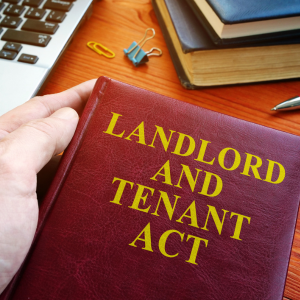
There are laws you need to know about if you want to sell a house in North Carolina that has renters there. People who rent in North Carolina have certain rights, and landlords must respect those rights until the lease ends on its own or both sides agree to something else.
The landlord must give tenants proper notice of the sale; typically, a 24-hour notice is required before showing the property to potential cash home buyers in Charlotte and surrounding cities in North Carolina. Sellers must communicate effectively and maintain transparency with tenants throughout the process.
Another thing landlords should do is go over any leases that include security deposits and make sure the money is given to the new owners correctly or returned correctly when the lease is up. If you want to sell a rental property in North Carolina without getting in trouble with the law, you should make sure you follow the state’s rules about renter privacy and fair housing laws.
Tax Implications of Selling Rental Properties in North Carolina
What are the tax effects of selling a rented property in North Carolina? If you are selling a home with renters, you should know about these effects. Capital gains tax is the first thing property owners should think about. This is a tax on the extra money they make when they sell a rental property.
You may pay less tax on these gains if you’ve owned the land in North Carolina for more than a year. This is because they are long-term capital gains. If you sell your home less than a year after buying it, you will have to pay short-term capital gains rates. These rates are generally higher than regular income tax rates and are the same for everyone.
Sellers should also be aware of fees based on recapturing the value of lost value. It’s possible that you got tax breaks for depreciation while you rented out your house. This loss in value is “recaptured” when you sell your home and taxed as regular income up to 25%.
Also, any mortgage debt that is forgiven during the sale might be taxed as income unless it is free in certain situations, like when the homeowner files for bankruptcy or becomes bankrupt. When you file your taxes after the sale, you should also make sure that IRS Form 4797 or Schedule D has all the right information about the deal.
If you’re in a tough spot and want to make sure you’re following the rules and getting the best financial results, talk to a tax expert who has worked with real estate deals in North Carolina.
How to Notify Tenants of Property Sale in North Carolina
They must be properly told of the sale if you are selling a house in North Carolina while renters are still living there. This is to make sure the move goes smoothly. There are rules in North Carolina that landlords must follow when giving notice. These rules protect tenants’ rights and make the sale process easy.
It’s important for the owner to read the lease carefully because it could say that they have to tell the renter if they sell the property. Most of the time, renters need written notice so they have time to get ready for any changes that might happen.
People who rent can relax and feel better during showings and inspections if they can talk about their fears straight away. When people rent from you in North Carolina, you should tell them what rights they have under the law. For instance, tenants can still be bound by the rules of their lease even if the house is sold.
Renters might be more ready to work with you during the sale process if you make standards and deadlines clear. Fair housing laws and privacy rules help people follow the law and keep a good relationship with their employer during this time of change.
Marketing Strategies for Selling Homes with Current Tenants
There are good ways to market your home in North Carolina if you want to rent it out. A good relationship with the renters is also important to make sure that property viewings go easily. Be clear with the renters about when the showings will happen.
People who want to make quick money from rentals might be interested in seeing a tenant’s payment history. Virtual tours and high-quality pictures are safe ways to show off the property’s potential without bothering the tenants.
Real estate buyers often want to buy homes that already have rental income coming in, so it can be helpful to reach them in certain ways. There are a lot of things that can go wrong when you’re trying to sell a rental property in North Carolina. A real estate agent who knows the market well can help you get the most exposure through social media and multiple listing services (MLS).
The Role of Property Managers in Facilitating Home Sales with Tenants
When you want to sell a house in North Carolina that has people living in it, property managers play a big role. They act as a go-between for the landlord and the renters, making sure that there is clear communication while the house is being sold.
Property managers help coordinate showings, manage tenant relations, and address tenants’ concerns about the transition. By effectively managing tenant expectations and maintaining a positive relationship, property managers can minimize disruptions and maintain the property’s appeal to potential buyers.
Their expertise in local rental laws is invaluable in navigating lease agreements and ensuring compliance with North Carolina’s tenant rights regulations during the sale. Additionally, property managers can provide strategic advice on enhancing the property’s marketability while respecting tenant privacy and occupancy rights.
In North Carolina real estate deals, the balance speeds up the sales process, which is good for both owners and renters.
How to Handle Tenant Objections During the Sale Process
When selling a home with tenants in North Carolina real estate, handling tenant objections effectively ensures a smooth sale process. Open communication is key; inform tenants about the intention to sell your house for cash in Greensboro and other North Carolina cities and discuss how it might impact them.
You can calm people down by telling them about their rights as a North Carolina renter, such as the terms of their lease and when they have to give notice. To make things as easy as possible, be flexible with showing times. If the renter needs to move, offer rewards like lower rent or help with moving costs.
Help both sides get better deals by stressing how important it is to keep the house in good shape. By giving tenants respect and being understanding when they have concerns, sellers can cut down on objections and get everyone to work together on the deal.
Can My Landlord Sell the House I’m Renting in North Carolina?
In North Carolina, the person who rents out your home can sell it. But both renters and owners need to know what their rights and responsibilities are during this process.
It is still necessary to follow the terms of the lease when selling a house in North Carolina that has renters living in it. If you have a lease, your new owner has to follow it until it’s over.
With a month-to-month lease, the new owner generally needs 30 days’ notice to get out of the lease. Renters should also know what the law in North Carolina says about their rights. One part of the lease says that renters must be given enough time to prepare for showings or inspections.
In the meantime, owners should keep the lines of communication open with renters while the house is being sold. They should also follow the law to make sure that the sale goes smoothly for everyone.
How Much Notice Does a Landlord Have to Give a Tenant to Move Out in NC?
If you want to sell a house in North Carolina that has renters, you need to know how long they have to leave. The law in North Carolina says that an owner has to give a tenant a certain amount of notice before ending the lease. Notice length is based on the lease terms and the reason for stopping the lease.
Most of the time, owners need 7 days’ written notice for a month-to-month lease. But you should let everyone know if the lease is up or the house is going to be sold.
If a landlord in North Carolina wants to sell their home, they need to make sure they read their lease agreements and follow the state’s rules. This makes sure the move goes smoothly, lets them follow the law, and helps them keep good relationships with renters.
These rules about giving notice can make it a lot easier to sell your North Carolina home while renters are still living there.
Negotiating Buyouts with Tenants Before Selling Your Home
Buyouts can be a good way to speed up the process of selling a home in North Carolina that renters are living in. You should know how to deal with tenants and North Carolina’s renting rules if you want to sell your home while they are still living there.
The owner either pays the renters money or gives them another reason to leave before the house is sold. This way can help get buyers who want to buy empty homes because it gives them more freedom with repairs and showings.
People who want to sell their homes should be honest with their renters about their plans. That way, when they talk about sale terms, everyone is on the same page. Renters have rights, and you should be fair with your offers, taking into account how much it will cost and how much trouble it will be to move.
Putting the buyout terms in writing in an agreement can also help keep things from going wrong and bring about legal fights by making sure everyone knows what they need to do and when they need to do it. North Carolina buyers can quickly go from having a rental property to one that is ready to sell without any extra problems if they know how to handle buyouts well.
Want to sell your house quickly and easily? Company trades in fair cash, takes care of everything, and doesn’t fix anything. To start right away, call (919) 609-5173 to get a free deal.
| RENTAL HOME | REALTOR | INVESTMENT PROPERTIES | INVESTMENT PROPERTY | RALEIGH | RALEIGH REAL |
| PAYMENTS | PRICE | MARKET PRICE | OPTIONS | MONEY | |
| INFORMATION | INCENTIVIZE | REALTY | MOBILE HOME | TENANTS’ RIGHTS | THE INTERNET |
| INTERNET | ATTORNEY | U.S. | SELLER FINANCING | PROPERTY TAXES | PROFITS |
| HOMEBUYERS | MARKET ANALYSIS | MANAGEMENT | JUDGMENT | DOWN PAYMENT | COPYRIGHT |
| CONTRACTUAL RIGHT | BLOG | OF THE PROPERTY | YOUR RENTAL PROPERTY |
Helpful North Carolina Blog Articles
- How to Sell a Hoarder House in North Carolina
- Who Pays the HOA Fees at Closing in North Carolina
- Can the Seller Back Out of a Contract in North Carolina?
- How Long Does An Eviction Process Take In North Carolina?
- How to Sell a House When You Are Behind on Payments in North Carolina
- How Much Does a Realtor Charge to Sell a House in North Carolina
- How to Sell a House With a Code Violation in North Carolina
- Should I Rent My House Or Sell In North Carolina?
- How Long Does An Eviction Process Take In North Carolina?
- Average Time for a House to Sell in North Carolina
- How to Sell an Apartment in North Carolina
- Essential Guide To Selling A Home With Tenants In North Carolina
- Comprehensive Guide To Taxes When Selling Your House In North Carolina