
The effort that goes into selling an apartment in North Carolina can be transformed with the right techniques, and with sufficient understanding, the techniques can be tailored to the local market. If you’re selling a property for the first time, don’t worry, as this guide is tailored to provide you with the essential knowledge to maximize the existing potential in your property. Also, there may be several factors to consider when selling your property, such as pricing, effective marketing, staging, legal obligations, and more. These things are needed to make the apartment more affordable and sell it to the right buyers. With the right techniques, all of the hassles can be easily turned into profitable selling of your apartment in the Tar Heel State.
Key Highlights
- Understanding regional trends is key for sellers to leverage North Carolina’s diverse real estate advantages.
- Technological adaptations and eco-friendly upgrades bolster property appeal in North Carolina’s market.
- Legal compliance and accurate disclosures ensure a smooth transaction for North Carolina property sales.
- Strategic pricing and effective marketing are crucial for attracting competitive offers in North Carolina.
- Partnering with top-rated experts enhances market visibility and legal compliance during property sales.
Understanding the North Carolina Real Estate Market
Selling an apartment in North Carolina requires a comprehensive understanding of the state’s unique real estate landscape. From the bustling urban centers of Raleigh and Charlotte to the serene mountain and coastal regions, each area has distinct characteristics that influence buyer interest and property values. Economic growth, employment opportunities, and population shifts shape market demand, making it important for sellers to stay informed about regional trends. Highlighting the strengths of your location, whether proximity to job hubs, quality schools, or recreational amenities, can enhance a property’s attractiveness to potential buyers, including North Carolina cash buyers, who often prioritize speed and convenience in transactions.
Apart from market awareness, the other component of the sale is effective engagement and presentation strategies. The impression of polished, staged interiors, repaired units, and professionally taken photographs in the case of sub-branding is likely to improve. For the unit’s value to be appreciated and attract committed clients, it must be priced competitively. The other component of maximizing the seller’s return is providing a real estate agent with the opportunity to familiarize themselves with and utilize the strategies of the North Carolina marketplace, buyer behavior, and advertising methods to simplify market complexities.
| Trend/Factor | Impact on Selling | Strategic Selling Point |
|---|---|---|
| Population Growth | Increased Demand | Focus on Family-Friendly Neighborhoods |
| Urbanization | Rising Property Values | Highlight Proximity to City Amenities |
| Interest Rates | Market Fluctuations | Emphasize Investment Potential |
| Technology Adoption | Enhanced Exposure | Utilize Virtual Tours and Online Listings |
| Seasonal Trends | Varying Buyer Activity | Targeted Marketing During Peak Seasons |
This table highlights the significant regional trends and strategic points in North Carolina’s real estate market, offering sellers clear insights to optimize their strategies.
Regional Trends Impacting Property Sellers
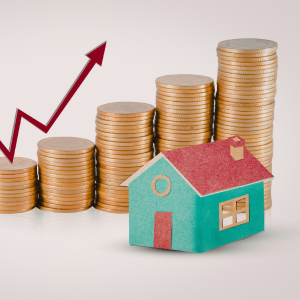
North Carolina’s real estate market functions under the dynamic conditions of its regional market and the buying and selling behaviors influenced by this geography. Buyers wanting more space and affordability are being driven to the suburbs and rural regions outside the urban centers of growing interest, such as Raleigh and Charlotte. Sellers must be aware of numerous factors that contribute to an area’s economic and population growth, such as job creation and employment trends, as they affect the value and the time it takes to sell a home.
Virtual tours and digital closings have become the norm for real estate transactions and, as such, have driven out system sellers who must meet the growing digital expectations of customers, as well as the rapid changes and developments in information systems, to successfully navigate the simplified selling process. The values of specific areas are determined by prevailing interest rates, and, as a result, the economic incentives (or disincentives) of the mortgage rates being offered will determine buyers’ behavior.
Changing demographics and the evolution of remote work have created new types of demand. With millennials and remote workers now a part of the consumer ecosystem, demand for high-speed internet, urban remote work/ease of access, and flexible living spaces is growing. There is also demand for high-performance, sustainable features, landscaping, and energy-efficient windows and solar panels, which eco-friendly customers prioritize. It is important for sellers to understand these needs to improve marketing and gain a competitive advantage.
Preparing Your Apartment for Sale
In North Carolina, selling your apartment begins by getting it ready to attract the most potential buyers. Start by analyzing your apartment to identify any improvements or repairs that could increase its value. The appearance after cleaning and possibly staging the apartment, and the small renovations, set the space up for buyers to see the potential value. The apartment’s good condition conveys value to prospective buyers.
Equally significant is pricing and marketing the property correctly. Market-competitive pricing piques interest, and tailored promotions through online listings, social media, and local real estate marketing networks direct the property to the specialized market. By integrating marketing with preparatory modifications to the physical space, the seller can build an engaging listing that attracts prospective buyers to the property, increasing the volume of strong offers.
For sellers seeking a fast, hassle-free sale, Cardinal Home Buyers offers competitive cash offers, enabling you to close quickly without the delays of traditional listings.
Assessing Property Condition for Maximum Appeal
Assessing your property condition is an important step for listing your apartment for sale. Something that can assist you in identifying areas to spend on is hiring professional home inspectors to highlight areas you can repair. They provide reports that can help you address problems with your roof, plumbing, and electrical systems before listing your home. Buyers appreciate the look and condition of items they can see, and repairs in these areas can help your listing.
Before showing the property, it is critical to increase the curb appeal. The first impression is crucial, so a freshly painted exterior, clean landscaping, and neat common areas go a long way toward making a good impression. To help potential buyers envision their future home, painting the interiors in neutral colors and removing excess clutter is recommended. Also, it is in a seller’s best interest to market the property with energy-efficient improvements, as buyers are increasingly seeking sustainable living. Including these improvements in the advertising is best for marketing to buyers interested in improved sustainability and for increasing the property’s marketing value.
Staging is a marketing technique used to showcase a home for sale as much as possible. The purpose of staging is to highlight the apartment’s positive features and to keep the home from feeling empty. The purpose of a staged home is to give potential buyers a more personal feeling and help them see themselves living in the unit. Taking the time to assess the home and make improvements to the home can greatly increase the offer potential of the home.
The Importance of Pricing and Marketing Strategies
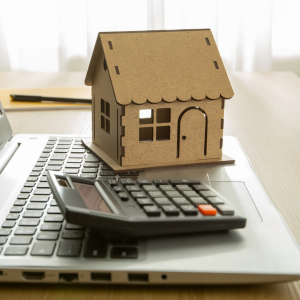
The effective sale of your apartment requires integrating pricing and marketing to attract and sustain interest from potential buyers. Correct pricing captures buyer interest, and effective marketing sustains interest and visibility across the competitive North Carolina real estate market. An example of effective marketing through pricing is conducting a comparative market analysis to set a competitive, realistic price. This analysis will provide a pricing strategy guide by measuring the value of identical unsold houses in your area. Buyers become interested in your listing when your price point is realistic; without a realistic price, they become uninterested.
Once pricing is finalized, it is important to focus on marketing methods. An effective marketing strategy should consider both innovative and classical strategies. The purchase of a home is a process that has been greatly influenced by modern technology. Thus, having a quality and customized description of your home is important. Clear, high-quality images of your home should be paired with a description that highlights its key selling features to engage and attract participants in its purchase process. The addition of a virtual tour option is not only beneficial but a requirement. Given the high number of potential customers, these options ensure your property reaches them.
Personalized ads on local and targeted real estate sites can increase reach. When marketing a property, it is important to consider the potential of the surrounding real estate. Whether it is in the Blue Ridge Mountains, a great retreat, or really close to the busy, full-of-life Raleigh city center, these features can help market your property better to potential customers. Marketing your business better with connections and experience with estate agents can enhance your estate business.
Legal Aspects of Selling in North Carolina
Comprehension of the legal structure for selling an apartment is vital in North Carolina due to the various legal hurdles, such as contractual obligations and pertaining laws concerning the sale of real estate, that are state-specific. If these hurdles are properly sidestepped, the apartment sale will not raise any legal issues. Being familiar with the legal aspects allows the seller to anticipate potential challenges and possible solutions. Also, the seller could anticipate the legal hurdles they might face and sidestep them as they proceed with the sale.
In addition to the hurdles of the legal system, they must also comply with the legally mandated disclosures. This disclosure provides the buyer with a complete representation of the apartment. Most of the time, the seller is legally liable for the apartment, so they have to disclose all structural and damage issues to be legally protected. Once the seller has legally protected themselves, they have built the necessary trust with the buyer in order to smooth the negotiation and closing of the sale. If all of the above have been done properly, then the seller is fully prepared to confidently close the sale of the apartment.
Looking for a fast, hassle-free sale? Contact us today for a cash offer on your North Carolina apartment and simplify the process.
Contractual Agreements and Real Estate Obligations
Selling a property in North Carolina is based on a legal contract structure. Sellers need to understand these contracts to make sure their sale is valid. A purchase agreement contains all the terms of the sale, including the price, the property’s description, and the parties’ duties. It is imperative that sellers and buyers meet these requirements for the sale to proceed as proposed. This is what gives the sale legal standing and affords the participants protection in the event of a legal dispute.
In North Carolina, real estate duties go beyond just the contract. Sellers need to understand that, in most cases, they must have a clear title and demonstrate marketability at closing. Sellers must pay any remaining property taxes to protect the buyer from unforeseen costs. Sellers need to assist their attorneys in fulfilling these responsibilities to comply with North Carolina law and reduce the risk of legal issues.
Furthermore, North Carolina’s numerous housing and building codes, compliance requirements, and mandates seller disclosures on violations and structural issues, encumber an already complex process for sellers. Sellers must ensure that any previous contractors on the property undertook legally permitted/contracted renovations. Buyer trust and potential legal issues stem from noncompliance with the numerous obligations governing property sale in North Carolina. Attention to detail is of primary importance when dealing with the legalese of North Carolina property sales.
Essential Disclosures Required in North Carolina
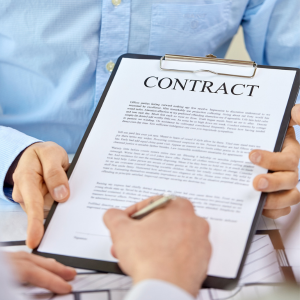
In North Carolina, sellers must legally complete a property disclosure before any sale is finalized. By law, sellers must reveal any and all material facts pertaining to a property that may influence the way a buyer thinks. This means that a seller must create a property disclosure statement and include items detailing the structural condition, hazardous or harmful environmental conditions, and any history of termite or mold infestations. To avoid any future lawsuits, sellers must remain honest about these conditions, and to help the buyer avoid potentially harmful conditions, this law facilitates the sale of the property.
In addition to structural elements, sellers in North Carolina must disclose the presence of lead-based paint if the property was constructed before 1978. Lead is highly toxic and poses an even greater danger to children and pregnant women. Sellers are recommended to conduct a property inspection to identify potential lead-based hazards and to disclose the inspection report findings in the disclosure. Lead-based paint hazards increase liability, and with proper disclosure, it is legally compliant with federal and state laws governing the real estate transaction.
Landlords must also disclose if they plan to sell the property when it is leased. This is to inform prospective buyers of lease agreements that could affect their decision to buy. From a compliance standpoint, sellers have legally protected themselves from buyer-seller disputes post-sales. These sellers should consult a lawyer to ensure these disclosures are made and that the entire transaction is legally protected and properly disclosed.
Steps to Close the Sale Successfully
There are several important steps that, when taken, help legally close the sale of an apartment in North Carolina. This process also ensures smooth transitions for all parties involved in the transaction. From the start, having good real estate professionals makes a difference, as they help with pricing, negotiations, and market practices. Their experience helps the most challenging sellers and prepares them to market the apartment to the most interested buyers.
There will be a transition of ownership upon completion of the sale. There will be several concerns that must be controlled and documented: organizational and information systems must be managed for real estate transactions. The most important and final aspects of a sale include contract reviews, the final steps of information disclosure, and money transfers: these aspects will require oversight to avoid complications. If these concerns are addressed, sellers will be neutral, and buyers will have a better experience.
Working with a Top-Rated North Carolina Real Estate Expert
Working with a highly qualified North Carolina real estate expert is a great benefit for anyone looking to sell their house. Specialists of this kind bring extensive knowledge of how the real estate market in North Carolina works. They are knowledgeable about how to price the house using a market analysis documented to reflect trends and buyers’ expectations. They also know how to market a house online and through traditional channels to attract a number of buyers.
In addition, highly-rated professionals have experience with the laws and regulations of the North Carolina real estate market and with working with sellers to make the required disclosures and complete the necessary contracts to safeguard their rights and help sell the home. They also help present the home for showings by staging the house and advising on repairs. This makes the home more marketable and more likely to receive higher offers.
Furthermore, these experts play a key role in negotiations, advocating for sellers to secure favorable terms. Their communication and negotiation skills can significantly influence the outcome of the transaction. By leveraging the expertise of top-rated real estate professionals in North Carolina, sellers can navigate the process with greater confidence and achieve a successful sale that meets or exceeds expectations.
Finalizing Transactions and Ensuring a Smooth Close
Finalizing a home sale in North Carolina is a detailed process that requires careful coordination to ensure a smooth closing. Once an offer is accepted, several important steps follow to make the transaction legally binding and satisfactory for both parties. A key priority is organizing financial documentation, ensuring all funds are properly accounted for, and settling obligations such as property taxes and homeowner association dues. This financial clarity helps prevent delays and supports a seamless transfer of ownership, especially when dealing with investor home buyers in Charlotte and other cities in North Carolina.
Equally important is collecting and reviewing all pertinent documentation. Sellers need to be on point with the sale contract, the property disclosures, and any amendments made, and how they are documented. Ensuring all documentation is done correctly and according to North Carolina real estate law, and gives you stated protection in the event of litigated disputes. It is common for sellers to involve legal counsel and document all of the pre-closure and post-closure legal requirements.
The closing meeting is an event planned with key participants: the buyer, an attorney, and, sometimes, the lender. During this meeting, all documents required to finalize the ownership transfer, including deeds and financial contracts, will be signed. Given the event’s importance, focusing on organization and defining clear roles will streamline the meeting and minimize the risk of complications as it progresses.
Keep in mind that, in addition to the financial and legal arrangements, other arrangements, such as utility transfers and key transfers, need to be organized to ensure a smooth closing. There may be other small tasks to sort out with the buyer, but if the seller’s list is organized, the closing meeting will go smoothly.
Here are some additional steps to ensure a smooth closing process in North Carolina:
- Conduct a final walkthrough to ensure the property is in the agreed condition.
- Confirm that the buyer’s financing is in place and secure before the closing date.
- Schedule the closing meeting at a mutually convenient time for all parties.
- Verify that all property repairs or improvements agreed upon during negotiations are complete.
- Prepare a checklist of items to be addressed or transferred on the closing day.
- Ensure all necessary keys, remotes, and access codes are gathered for transfer to the buyer.
- Coordinate with utility companies to schedule service transfers or disconnections on the closing day.
These additional measures help ensure a smooth, coordinated closing process.
Selling your apartment in North Carolina can be a streamlined process with the right approach and market understanding. By accurately pricing your property, enhancing its appeal, and effectively marketing it, you stand a strong chance of attracting the right buyers and closing successfully. Remember, being patient and flexible can significantly impact the sale’s outcome. This guide has provided you with essential insights to navigate the selling journey with confidence, ensuring a rewarding experience. With careful planning and execution, your apartment sale can contribute positively to your financial and personal growth.
FAQs:
What are the essential steps to sell an apartment in North Carolina?
The key steps include setting the right price, staging the space, marketing effectively, and navigating legal considerations. Understanding the local market dynamics and leveraging strategic pricing and marketing can attract competitive offers. Sellers should also focus on property condition, legal compliance, and the use of technology for virtual tours.
How do regional trends in North Carolina affect selling an apartment?
Regional trends, such as population growth, economic shifts, and the rise in remote work, influence housing demand. As Raleigh and Charlotte expand, suburban and rural areas gain interest. Sellers should use these trends to attract the right buyers.
What legal requirements must be met when selling an apartment in North Carolina?
Sellers must meet contract obligations, ensure clear titles, and provide required disclosures, such as structural issues and any lead-based paint, to ensure transparency and a smooth transaction.
How can eco-friendly upgrades enhance property appeal in North Carolina?
Eco-friendly features such as energy-efficient windows, solar panels, and sustainable landscaping are increasingly appealing to buyers who prioritize sustainability. Highlighting these upgrades can boost marketability and give a competitive edge in the real estate market.
Why is partnering with experts important in selling property in North Carolina?
Engaging with qualified professionals can enhance market visibility and ensure compliance with legal obligations. They help set competitive pricing strategies, market effectively across various platforms, and navigate the transaction process, which can lead to a more successful sale.
Do you need to sell your house? Sell it quickly, avoid costly repairs, or prefer a hassle-free sale. Cardinal Home Buyers is here to help. We offer fair cash offers, handle all the details, and make the process seamless. Ready to sell or have questions? Call us at (919) 609-5173 for a no-obligation offer. Get started today!
Helpful North Carolina Blog Articles
- How to Sell a Hoarder House in North Carolina
- Who Pays the HOA Fees at Closing in North Carolina
- Can the Seller Back Out of a Contract in North Carolina?
- How Long Does An Eviction Process Take In North Carolina?
- How to Sell a House When You Are Behind on Payments in North Carolina
- How Much Does a Realtor Charge to Sell a House in North Carolina
- How to Sell a House With a Code Violation in North Carolina
- Should I Rent My House Or Sell In North Carolina?
- How Long Does An Eviction Process Take In North Carolina?
- Average Time for a House to Sell in North Carolina
- How to Sell an Apartment in North Carolina