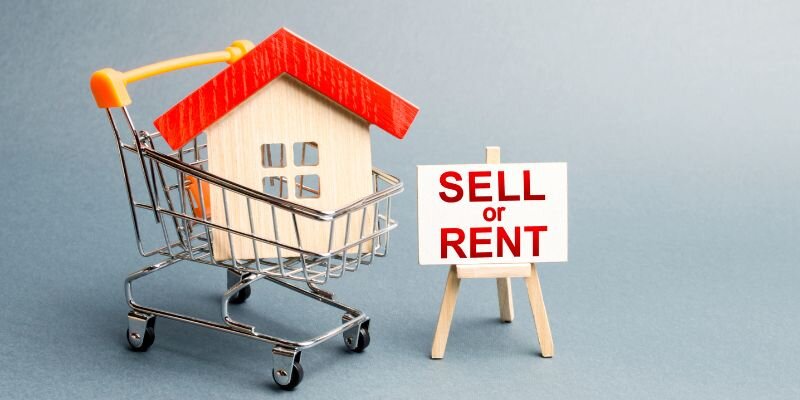
Whether you’re relocating or you’ve recently inherited property, the question of what to do with your current property inevitably comes up. Deciding whether to rent or sell your current home is a major financial and lifestyle decision. Both options have advantages and disadvantages, and there isn’t a one-size-fits-all answer. The right choice depends on several factors, including your long-term goals, your personal situation, the current real estate market, and your available time and patience, which is often the deciding factor for many homeowners.
Let’s figure it out together by asking and answering this series of questions.
1. Evaluate your home’s condition: Is it Rental Ready?
Before you do anything else, you should consider whether your home can be easily rented. If your home is not ready to be rented, do you want to spend the time and money to make it ready?
A home for renters should be:
- Ready to be moved into, with no outstanding repairs
- Fully operational (plumbing and HVAC systems, electricity, and appliances)
- In a good location
- With good amenities (parking and laundry should be included)
Unlike home buyers, renters do not want to make any changes to the home. They expect the home to be in good condition from the day they move in. Because of this, they will complain about and ask for repairs for even the smallest problems.
There is a possibility that you will have to spend a lot of money on repairs to the home before it can be rented out. If you do not want to spend this money, you will lose your focus. This is why selling the home can be the better option. Because it is possible to sell your home and make a profit while not having to do any maintenance, it can be better to focus on selling as is.
2. Understanding Real Estate Market Conditions: Is it Better to Sell or Rent Right Now?
The current market determines where you can purchase, and that can be dependent on the city and the area.
Seller’s Market

When there is a seller’s market, demand from buyers is higher than the number of houses available, causing prices to increase. This gives homeowners the chance to sell quickly and at a higher cost than before. Currently, a majority of the Southern areas of North Carolina are seller’s markets. The average price of a home there is $327,663.
Buyer’s market
In a buyer’s market, there is an increase in competition for the home units among sellers. Longer sell times and price drops are much more common. During such times, waiting for the market to change is more favorable than spending money on a home, and so renting becomes the more favorable option.
Rental market
You will also want to keep in mind the rental markets. There are a few conditions that lead to a stronger rental market, such as
- Limited inventory of rentals
- High demand for rentals
- Rental prices increasing (or remaining the same)
North Carolina’s rental market is stable but starting to decrease in demand, with the average rental price at $1,795. This figure is the same as it was for the previous year, meaning that the potential for rental profit is there, but with a much slower increase than before.
3. Consider Your Personal Situation and Long-Term Plans
Your future goals may take priority over market trends.
Why And Where Are You Moving?
- Are you just moving to a larger home in the same location? If you plan to rent, you may have a chance to invest in that property in the future.
- Are you moving to downsize? Selling can give you the cash and perhaps the mental space that you are looking for.
- Are you moving out of state? If you don’t have a property manager, managing a rental can be tough from a distance. Paying a property manager will only add to your moving costs.
Do You Have The Time and Patience to Be a Landlord?
Having rental properties may sound easy, but for a first-time landlord, that is not the case.
Responsibilities include:
- Tenant screening
- Maintenance and emergency calls
- Managing lease, payments, and legal compliance
If the above sounds stressful, you may want to consider selling your home. You could always hire a property manager, but that will mean less money in your pocket. Renting may not be hands-on, but it can be rewarding in the end. If you enjoy working on projects and are up for the challenge, you will get to enjoy the rewards of renting, but it may take a while.
Are You Financially Capable Of Managing Two Homes?
Owning a primary home and a rental property means a number of responsibilities, including:
- Potentially double the mortgages
- Insurance, taxes, and maintenance on both properties
- Potential gaps in cash flow when one property is vacant
If this is your reality, then, depending on your income level, you may want to consider selling the rental property to avoid ongoing financial strain.
What Are Your Future Plans for the Property?
- Though owning a property often carries sentimental value, such as having strong memories of an inherited family home and potentially feeling guilty about the idea of selling, renting can provide income during this time of indecision.
- If you plan to turn the property into a vacation home, consider renting it out on a seasonal basis to help cover the costs.
- If you have no long-term plans in mind for the property, selling is often the best option to provide for other aspirations.
The Pros and Cons of Selling vs. Renting
Now that you have a clearer understanding of where you stand and how your property fits into your goals, it’s time to take a deeper look at what renting or selling your home actually involves. Even after answering the important questions, it’s normal to still feel unsure. Comparing even the pros and cons of each option side by side can help paint a better picture and make the decision-making process easier. If you want a detailed breakdown of the eviction timeline, check out How Long Does An Eviction Process Take In North Carolina?.
Renting Your Home
- Pro: Steady Income.
You might consider renting your property out for the constant monthly income that it will provide you with. Rental income may cover the mortgage or the property taxes or help you pay the costs you have in addition to homeownership. As long as you find trustworthy tenants who require less upkeep, you can have stress relief as well as financial stability.
- Pro: Flexibility to Sell at a Better Time.
You can take your time selling the property. You can wait until the market favors you, until the prices of the home increase, or until it is easier for you personally or financially. The home can generate revenue while you continue to wait.
- Pro: Potential Property Appreciation
As time passes, the value of your home will increase, and with it the amount of profit you will make from selling it. Waiting longer to sell may also save you money on taxes in some cases.
- Pro: North Carolina is Landlord Friendly
North Carolina is an excellent place to own rental properties. The laws are more lenient, and the regulations are not as demanding when compared to other states. This is good for owners because they have more control over their rentals.
- Cons: Added Responsibilities
It is almost like being a landlord is like working another full-time job. You have to list the place, choose the right tenants, manage the rent collection, and manage maintenance requests, tenant issues, complaints, and questions. You might even have to evict tenants, and that is a tough situation to manage. This is not very fun at all and is made worse when you have a job that is already full-time or when you have to live a long way from the rental.
- Cons: Unexpected Costs
The rental properties surprise us with their expenses. Your cash flow can be negatively impacted by repairs, appliance replacements, emergency maintenance, and vacancy periods. You’ll still be financially responsible for the mortgage, utilities, and other expenses if the property goes vacant while you search for a new renter. When renting out a property, you need to have financial reserves. Out of the many rental property expenses you can expect, the financial reserves will help with the most unexpected expenses when renting out a house.
- Cons: Ongoing Property Maintenance
Even with the best tenants, get ready for ongoing maintenance. Excessive wear and tear will be levied on the tenants. If you are renting the home for sentimental reasons, get ready for the emotional risk to be evened out with the physical. You may need to renovate entirely after the tenants leave.
- Cons: Legal and Compliance Risks
There are responsibilities for every landlord. There are a lot of rental property laws that are enforced at the city and state levels, and if these laws are broken, the landlord will face the consequences, adding another layer of risk to the landlord’s responsibilities. These laws cover lease agreements, landlord and tenant rights, and the rental property’s state of livability.
Selling Your Home
- Pros: Immediate Cash Access
When you sell your home, you get access to a big chunk of cash. This is especially helpful if you need to buy another home and need the cash for a down payment. You can also use the cash for other investments. It is also good to sell your home when the values are high to sell and cash out rather than waiting to sell for a possible loss.
- Pros: No Ongoing Responsibility
Once you sell your home, you sell the responsibilities of being a landlord. You don’t have to deal with property managers, tenants, or anything. You also eliminate the risks of having to make unexpected repairs or deal with maintenance. You also don’t have to spend your time managing the house as a landlord, so you have more time and energy to focus on other things.
- Cons: Loss of Potential Rental Income
Once you sell your house, you’re losing out on the potential income you could be making through renting the property. While it could be a steady stream of cash, a one-time payout from the sale of a house can be very appealing to most people. When deciding whether to sell or rent, you should compare the value of potential rental cash to the cash you get from the sale of the house.
- Cons: Missed appreciation
There is also the fact that once you sell the house, you can never benefit from the value of the house should it appreciate in the future. As the area gets better or more developed, the value of the home could improve drastically. If you sell your home now, you will miss out on any future value increases of the home.
Final Thoughts: Should I Rent My House or Sell in NC?
Choosing whether to rent or sell your home in North Carolina is so much more than about numbers. It’s about lifestyle, risk tolerance, and future vision. By carefully evaluating your home’s condition, local market trends, and personal capacity to manage a rental, you can make decisions that align with both your present and long-term goals.
But if you feel you’re not up to the challenge or don’t want to be a landlord, and you need to sell your home fast, Cardinal Home Buyers is here for you! We purchase properties as-is, allowing you to sell quickly in as little as 7 days without the stress of repairs, cleanups, or showings.
With years of industry experience, we stay up to date with the market and understand what your home is worth. That’s how we’re ready to provide a competitive, fair, all-cash offer delivered directly to your email.
Need to sell your North Carolina house faster? We buy houses in Charlotte, NC, and the surrounding areas for cash, with no repairs, no bank delays, and no complicated paperwork. We provide fair, no-obligation cash offers and let you choose your closing date for a smooth, stress-free experience.
To get started, contact us at (919) 609-5173 or complete the short form below, and we’ll get back to you within 24 hours!
Helpful North Carolina Blog Articles
- How to Sell a Hoarder House in North Carolina
- Who Pays the HOA Fees at Closing in North Carolina
- Can the Seller Back Out of a Contract in North Carolina?
- How Long Does An Eviction Process Take In North Carolina?
- How to Sell a House When You Are Behind on Payments in North Carolina
- How Much Does a Realtor Charge to Sell a House in North Carolina
- How to Sell a House With a Code Violation in North Carolina
- Should I Rent My House Or Sell In North Carolina?
- How Long Does An Eviction Process Take In North Carolina?
- Average Time for a House to Sell in North Carolina
- How to Sell an Apartment in North Carolina
- Essential Guide To Selling A Home With Tenants In North Carolina
- Comprehensive Guide To Taxes When Selling Your House In North Carolina