Homeowners in North Carolina face many challenges when trying to sell their homes. Being out of code does not have to be a deal breaker, and it does not mean that selling the home has to be difficult. There is plenty of potential to sell the home quickly and with minimal stress. To navigate structural and system issues, the local regulations and opportunistic buyers will help to smooth the process. Working with Cardinal Home Buyers can make selling a home with code violations easier. This guide will go over some steps people can take to comply with local laws when selling their homes. Here is how to navigate and sell disregarded code violations.
Understanding Code Violations in North Carolina
Understanding the consequences that come with code violations is a complex aspect of selling a home in North Carolina. Selling a home with code violations is no easy endeavor. It can lead to structural problems or violations of a home’s zoning laws. It is equally important to know that code violations accompany the home so you can take the steps to comply with the law. The following sections will discuss the most common code issues that homeowners encounter, and the most common methods to resolve issues and defenses available.
Common Code Issues and Violations
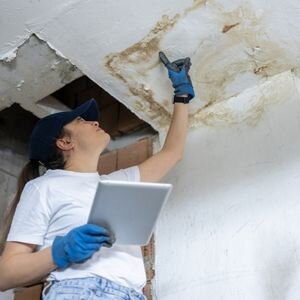
In North Carolina, there are various methods for obtaining information on potential code violations, especially for homeowners interested in selling their homes. For instance, in order to sell a home, property inspections must be done, some of which may result in code violations. For instance, inspectors are trained to issue reports concerning a property and whether or not it violates any local building code. Examples of which may include exposed wiring, illegal structural modifications, and plumbing work that is not up to code. Local governments perform their own inspections and assessments of code violations. In their jurisdiction, local governments hold the responsibility to help the public and maintain the safety of the building structures.
Inspections can find unpermitted work and minor changes to work that may violate North Carolina work regulations. The reporting of violations to the code can also be the result of vigilant neighbors. For example, in North Carolina neighborhoods, code enforcement and tickets are often community-driven. There are serious penalties for ignoring code violations, and help is available to those who wish to contact an enforcement agency to learn about their compliance options. Given the circumstances, homeowners can strategically choose to comply with code regulations to simplify the selling process.
How Code Violations Are Identified
In North Carolina, potential code violations can be discovered through multiple channels, which are especially valuable to homeowners who are looking to sell their homes. A property inspection is one of the first steps in a sale that can uncover code violations. For example, inspectors have the necessary training to identify issues related to a property’s compliance with local building laws. These can include dangerous wiring, illegal additions to the structure, and non-compliant plumbing work. Inspections are not the only way to discover code violations, as local governments carry out their own assessments of the jurisdictions that they govern. Their goal is to evaluate the safety and zoning compliance of all structures and to comply with their obligation to ensure the safety of the public.
These inspections can uncover unpermitted work and seemingly insignificant changes that may violate North Carolina work regulations. The code violation reporting process also stems from neighbors’ close observations. For example, in North Carolina’s closely knit neighborhoods, community observations are frequently the catalyst for code enforcement actions and the issuance of citations. Code violations must be rectified as they can lead to significant enforcement penalties. Resources are available to individuals who wish to obtain guidance from a government agency to learn about compliance standards. Considering the factors that lead to code violations, homeowners can actively decide to comply with code regulations to make their homes easier to sell.
Evaluating the Impact of Code Violations on Selling a House
Code violations involving an NC property may create difficulties when the seller attempts to complete the sale. If the seller chooses to ignore code violations, they may face fines, lawsuits, or increased code violations. Buyers may face decreased interest in the property due to code violations that the seller failed to address. Ignoring code violations may lead to an incomplete sale. Particularly due to the buyer’s interest in a property. Understanding the ramifications code violations can have on the selling process can save homeowners time and effort in disclosing violations and dealing with the legal ramifications of the violations. Let’s examine the ramifications for legal and financial code violations and code violations.
Financial and Legal Implications of Code Violations
Selling a house with code violations in North Carolina puts homeowners at a financial and legal risk. First, violations create a huge financial risk. Homeowners can get fines from local government agencies that do not allow violations, and this will negatively affect their property’s selling price. Buyers usually ask for a price decrease or repair credit to cover compliance issues, which affects the return. To mitigate this risk, homeowners have to do expensive construction to adhere to building codes.
Legal risk also needs to be considered. Seller’s disclosures are required to inform Buyers of any code violations, especially in North Carolina. If sellers violate this, they may face legal repercussions, and buyers may decide to sue them. This code is in place to shield buyers from surprise expenses and to put sellers in trouble if they do not provide all the details about construction costs. For sellers, this is even more stressful, as they may face legal pre-view questions that could result in a contract being nullified. This is especially challenging if sellers are unaware of North Carolina law. To avoid further compliance issues, sellers will need to take steps to fix code violations.
Potential Effects on Home Buyer Interest
The existence of coded violations will most likely drive potential buyers of a North Carolina home away – if the potential buyers notice the violations. Potential buyers may fear unforeseen expenses or challenges associated with repairing or bringing the home up to code. Concerns. Some buyers worry about the financial and structural costs and, as a result, seek other homes with fewer problematic features. Additionally, violations of codes can impact the potential buyers‘ financing options because lenders will not finance homes that are in violation of local building codes.
Listings that are aware of violations will keep homes on the market for a long time, leading to a loss of perceived value. The longer a home sits on the market, the more likely buyers are to assume there are more serious, less visible problems that could cause the home to lose its perceived value. To regain lost value, home buyers should try to be as honest as possible and correct as many code violations as they can. This will increase the likelihood of a home sale.
Effective Strategies for Fixing Code Violations
Code violations must be handled when selling a house in North Carolina. These violations may be hindering the sale of the house, as they may be of concern to prospective buyers or sellers. Wise strategies set on the elements of a code violation focus on prioritizing the repairs that need to be made, finding the most economical way to resolve a code issue, and considering the home inspector’s report. Knowing the issues and using a systematic approach to process each of these issues can change obstacles into easy paths for home transactions. Using these strategies, sellers will be able to add value to the sale of their home by properly addressing code violations and resolving issues concerning buyers, to make the selling process easier to manage for them, as the real estate market in North Carolina is complicated, and many obstacles are created for prospective buyers.
Prioritizing Repairs and Cost-Effective Solutions
An evident strategic approach to addressing code violations with your house or property in North Carolina consists of prioritizing repairs. The first thing to do is to prioritize the most severe code violations for ensuring the safety and overall structure of the house. Start with repairs that have to do with electrical wiring, as that has the potential to start fires, or with plumbing issues, as that could lead to severe water damage. Those repairs must be done first to increase and ensure code compliance, along with boosting the aesthetic of the house to potential clients.
Cost-effective property repair strategies allow homeowners to stay within their spending limits and comply with code requirements. Evaluate the repairs and see how much of the work you can do yourself, as that will help you spend less. Avoid spending more and doing the work right the first time by hiring a good contractor. It will be in your best interest to get several quotes. Don’t forget to get the right paperwork for the repairs, including permits, and document everything done to the house to maintain a clear conscience for the paperwork during the selling process. These will be some of the strategies that will assist you in changing the house into a ready code-compliant house for the new homeowner.
Utilizing Home Inspection to Address Compliance Issues
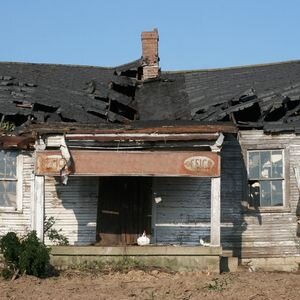
Completing a home inspection in North Carolina is helpful for code violations and compliance issues when selling a home. A professional inspection can identify building code issues that a homeowner may miss and help them take more targeted measures. The inspection gives a report that describes all of the missing elements of the local building codes so that the home seller knows what is required and how to prioritize it. This is very important for planning the repairs. A certified inspection will go through all the compliance work that is required and cover everything, including the building and the electrical compliance work.
Homeowners may refer to this report to facilitate the evaluation of issues affecting the value and presentation of the property. Home inspections do more than find violations; they may also offer solutions to avoid future code issues and maintain the health of the property. Further, a home inspection shows the seller is being transparent and honest, which is important in estate transactions and helps establish confidence with buyers. Sellers may address issues identified in home inspections and ease compliance, awaiting a sale in the North Carolina real estate market. After a home inspection, homeowners may do the following to address compliance issues and sustain the property value:
- Reviewing the inspection report will help you understand any issues that affect compliance and safety, as well as the possible consequences of those issues for your property.
- If you decide to make repairs, prioritize them based on their impact on the home’s value. Start with the most immediate structural and safety issues.
- For any repairs or renovations that will bring your property up to code and will be too extensive for you to do yourself, get estimates for the work from licensed contractors.
- You might want to make certain renovations that are likely to increase the property’s value and lower utility bills, such as installing energy-efficient appliances or improving insulation.
- To keep the home in better shape and avoid problems down the road, routine maintenance of the HVAC and gutters should be done.
- Having documentation for all repairs and updates to your home will assist you if you decide to refinance or sell your home in the future.
By taking these steps after a thorough inspection, homeowners can ensure their property remains safe, compliant, and valuable for the long term.
Selling Options for Houses With Code Violations
Navigating the sale of a house with code violations can be intricate, particularly in dynamic markets like North Carolina. Homeowners are presented with various selling options, each carrying its own set of challenges and rewards. Considering as-is sales presents a streamlined path, often appealing to local investors or a company that buys homes in Oxford or in nearby cities, willing to tackle code issues themselves. On the other hand, exploring market value and strategic pricing can also attract willing buyers despite existing violations. These options provide flexibility for sellers to choose paths tailored to their circumstances and the real estate landscape in North Carolina.
| Selling Option | Advantages | Challenges | Ideal Buyer |
|---|---|---|---|
| As-Is Sale | Quick transaction | Lower sale price | Investors |
| Fix and Sell | Higher potential profit | Time and cost-intensive | Home flippers |
| Discounted Sale | Attracts more interest | Reduced profit margin | Bargain hunters |
| Cash Offer | Fast closing time | Possibly lower offer | Cash buyers |
This table provides a clear overview of selling options for properties with code violations, enhancing decision-making in the dynamic North Carolina market.
Considering As-Is Sales and Their Benefits
In North Carolina, selling a house with code violations as-is is a popular option for homeowners. This option allows sellers to avoid doing repairs on the house. Instead, sellers offer the house in its current state. Sellers can save time from repairs and from dealing with selling delays. Cash home buyers in the area, looking to invest in the home and remodel it, are attracted to this option. Closing with these buyers is flexible, and they can deal with the code violations. This option is ideal for sellers when they want to close quickly and reduce the pre-sale costs.
Financially burdening the home seller with costs to fix code violations is a significant concern. This is a workaround for code violations if there is little to no cash available to fix them. Selling with code violations can attract the interest of investors and property flippers. Transparency about the code issues is a safeguard against legal disputes and builds trust. Complications with code violations are mitigated, and the target buyer is reached for selling the house in North Carolina. This approach is practical and direct.
Exploring Market Value and Pricing Strategy
When selling a house with code violations in North Carolina, understanding the market value is crucial. Analyze previous sales of comparable houses and what code issues they contained. Your pricing will be academically justified, so you won’t lose potential interest. Although selling with code violations is difficult, pricing it right will widen the potential interest. Discerning real estate investors or those looking to buy and renovate can see potential value added. It is about selling, despite the unique selling challenges North Carolina presents.
In order to sell effectively, a combination of market awareness and a practical approach is required. Understanding how to price a house based on how violations are going to affect it helps with your pricing strategy. Understand what code violations mean to the market value of your house and avoid loss of value. North Carolina sellers can take advantage of your insight on pricing. Selling in the prescribed circumstances may require a little artistry; targeting your pricing helps to find the sale, despite the condition. It is a matter of finding a balance between competitive pricing and fair market value on your house.
Legal Considerations When Deciding to Sell in North Carolina
In North Carolina, selling a house with code violations requires a thorough understanding of the legal implications involved. First, a seller must consider the state’s compliance and regulations for a property to be sold. North Carolina places a legal obligation on the seller to make disclosures, and the seller must attempt to fix or mitigate compliance issues before the home can be sold without additional encumbrances. Moreover, a seller must be completely open about code violations and plan to be sued for them when selling a property with them. Once compliance and legal issues are resolved, sellers will likely experience fewer delays in selling their property and will further protect themselves against lawsuits. Resolving compliance issues will improve a home’s sales appeal.
Understanding Compliance and Regulatory Requirements
Selling a home with code violations in North Carolina requires understanding the state’s compliance regulations. Sellers must disclose violations, and a lack of disclosure can lead to legal trouble. To understand the regulations, one must first grasp the code violations in relation to the home. Compliance considers potential breaches of the home’s safety and structure, as well as unauthorized structural modifications. Homes sold with no code violations in the plumbing and electrical systems are typically more desirable to buyers. Sellers addressing compliance issues is the first step to effectively selling the home.
An extensive home inspection can identify major issues that will need to be fixed before closing the sale. Knowledgeable professionals on North Carolina codes can help to avoid costly mistakes. Proper documents save time, and the open exchange of information with potential buyers is essential for selling a home. Fully understanding the relation of code compliance to market value is essential. In North Carolina, code-compliant homes are in greater demand than non-compliant ones. Selling a home can be quicker and easier if you are familiar with the compliance regulations.
A house with code violations can be sold in North Carolina, and it can be fairly straightforward. Knowing what your obligations are, making some key repairs, and working with cash home buyers in North Carolina or in any surrounding cities who purchase as-is properties can make this process easier. Also, communicating closely with both your attorney and your real estate agent will help as well. If you have some violations that are easy to fix or major repairs that are in your way, the right approach will create a pathway for an easy, quick sale. With the right approach, you will be able to close the deal and move on with confidence.
FAQs
What are the common types of code violations affecting home sales in North Carolina?
There are several common code violations in North Carolina, including structural code violations due to unapproved changes, electrical code violations due to old wiring, plumbing code violations due to improper installation, and safety code violations due to inoperable or missing smoke detectors and emergency exit obstructions.
How can a home inspection help in addressing code violations when selling a house?
A professional home inspection uncovers distinct zoning problems that an untrained individual would not notice. The inspector’s report details all reviewed local building codes, providing homeowners with an actionable list that specifies zoning problems that could be addressed prior to selling.
What are the legal implications of selling a house with code violations in North Carolina?
Code violations that vendors are aware of must be disclosed to potential buyers. Not adhering to this disclosure obligation may lead to litigation or void the transaction. It protects buyers from hidden costs and ensures that buyers know what they are getting into.
What strategies can homeowners use to sell a house with code violations quickly?
Instead of spending on repairs, local cash buyers who are willing to address code violations buy as-is. Also, serious buyers can be attracted by strategically pricing violations.
How do code violations affect the marketability and price of a property?
Addressing code violations can improve buyer interest, as buyers can be hindered by repair costs, financing, and code inspection. Offering pricing strategies and/or resolving violations can address investor risk concerns and improve marketability.
Do you need to sell a home with a code violation? Cardinal Home Buyers can help you sell quickly, avoid costly repairs, and handle all the details for a hassle-free sale. We offer fair cash offers and make the process seamless. Ready to sell or have questions? Contact us at (919) 609-5173 for a no-obligation offer. Get started today!
Helpful North Carolina Blog Articles
- How to Sell a Hoarder House in North Carolina
- Who Pays the HOA Fees at Closing in North Carolina
- Can the Seller Back Out of a Contract in North Carolina?
- How Long Does An Eviction Process Take In North Carolina?
- How to Sell a House When You Are Behind on Payments in North Carolina
- How Much Does a Realtor Charge to Sell a House in North Carolina
- How to Sell a House With a Code Violation in North Carolina
- Should I Rent My House Or Sell In North Carolina?
- How Long Does An Eviction Process Take In North Carolina?
- Average Time for a House to Sell in North Carolina
- How to Sell an Apartment in North Carolina
- Essential Guide To Selling A Home With Tenants In North Carolina
- Comprehensive Guide To Taxes When Selling Your House In North Carolina